The AI Paradox: How AI Fuels Both Surveillance and Counter-Surveillance in the Digital Age
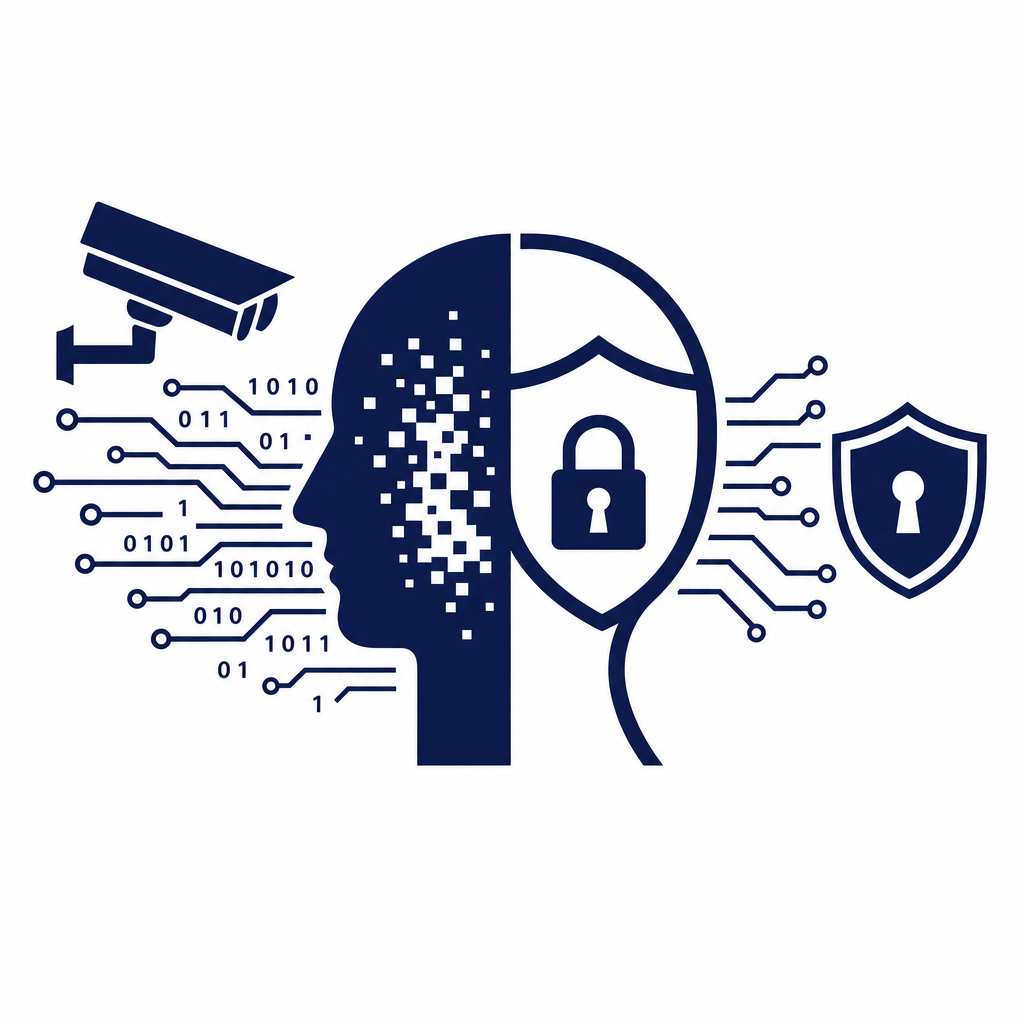
The rise of artificial intelligence (AI) has created a complex landscape marked by both enhanced surveillance capabilities and innovative counter-surveillance mechanisms. This article explores the dual nature of AI, examining how it both invades privacy and fosters tools for safeguarding digital rights, highlighting the ethical challenges and societal implications that emerge as we navigate this intricate digital world.
The Evolution of Surveillance Technology
The historical development of surveillance technologies illustrates a trajectory marked by escalating capabilities that often overshadow ethical concerns. Traditional methods, ranging from visual observation to rudimentary record-keeping, laid the groundwork for more systematic approaches. The introduction of closed-circuit television (CCTV) in the 20th century represented a pivotal advancement, enabling continuous monitoring and recording in public spaces. However, it wasn’t until the advent of the internet and the proliferation of digital devices that the potential for comprehensive surveillance truly began to unfold.
With the rise of machine learning and artificial intelligence, surveillance has evolved dramatically. Technologies such as facial recognition systems leverage vast datasets to identify individuals in real-time, often with startling accuracy. Data analytics have transformed the landscape by enabling the aggregation of information from myriad sources, creating detailed profiles of behaviors and preferences. Furthermore, automated tracking methods, including geolocation technologies, allow for unprecedented insight into individual movements and interactions.
These advancements pose significant implications for privacy. As monitoring capabilities deepen, individuals find themselves increasingly subject to scrutiny, raising critical questions about consent, autonomy, and the extent to which societies are willing to trade privacy for perceived security. The balance between technological progress and ethical considerations is thus more precarious than ever.
AI in Action: How Surveillance is Enhanced
Artificial Intelligence is revolutionizing the landscape of surveillance operations through the deployment of machine learning algorithms and big data analytics. By processing vast amounts of data in real-time, these technologies enhance the capabilities of law enforcement and security agencies in ways previously unimaginable. For instance, facial recognition systems powered by deep learning can identify individuals in crowded places, enabling rapid responses to potential threats. Projects like the Chicago Policing Algorithm demonstrate how predictive analytics can allocate police resources more effectively, potentially improving response times to incidents. However, the implications for civil liberties are significant. The same algorithms that streamline law enforcement can create biases, notably in racial profiling, raising concerns about the ethical use of AI in surveillance.
Moreover, the automation of monitoring processes allows for continuous observation, leading to a state where individuals are often unaware of being watched. The vast reach of AI-enhanced surveillance blurs the lines of accountability, surfacing critical debates around data privacy and user consent. As we witness this technological leap, the balance between ensuring public safety and protecting individual rights becomes an increasingly complex challenge that demands rigorous ethical scrutiny.
The Rise of Counter-Surveillance Techniques
The emergence of counter-surveillance techniques is a natural reaction to increasingly sophisticated surveillance capabilities enabled by AI. As individuals and organizations recognize the intrusive nature of advanced monitoring, a diverse array of technologies and strategies has been developed to safeguard privacy. **Encryption** serves as a cornerstone for counter-surveillance efforts, allowing users to protect their communications from prying eyes by transforming readable data into coded messages. This not only secures personal information but also enhances the integrity of data during transit.
**VPNs** (Virtual Private Networks) have surged in popularity, providing users with the ability to mask their IP addresses and encrypt their internet traffic, making online activities significantly more private. Furthermore, privacy-focused software solutions like Tor offer a robust anonymity layer, enabling users to browse the web without revealing their identities or locations. Machine learning is also leveraged to develop smarter counter-surveillance tools, such as applications that detect and thwart tracking attempts or data harvesting.
This growing emphasis on digital rights reflects a cultural shift where users are more informed about their online presence and the potential risks associated with data privacy. Counter-surveillance technologies are not merely reactive; they are part of a proactive approach to empower individuals against unwarranted monitoring, thereby fostering a more resilient digital environment.
Ethical Dilemmas in the Age of AI Surveillance
The integration of AI into surveillance systems presents profound ethical dilemmas that extend beyond technical capabilities. One of the primary issues revolves around **consent**; many surveillance systems operate without explicit user agreement, creating a murky legal and moral framework. Individuals often unwittingly surrender their privacy to organizations that leverage AI for monitoring, raising questions about autonomy and individual rights.
Furthermore, the **transparency** of such systems is critically lacking. The algorithms driving AI surveillance are often opaque, making it difficult for users to understand how data is collected, used, and potentially abused. This lack of clarity fuels distrust, as people are left uncertain about the extent of their exposure in a digitally surveilled environment.
The potential for **abuse of power** is another crucial concern. Governments and organizations equipped with sophisticated AI tools might exploit surveillance capabilities to suppress dissent, monitor political opposition, or infringe upon civil liberties. As these technologies evolve, the balance between enhancing security and preserving individual freedoms becomes increasingly tenuous, complicating public discourse on the ethics of AI in surveillance.
These ethical challenges underscore the imperative for robust regulations and frameworks that prioritize **digital rights** and **privacy** while still addressing legitimate security concerns in a world increasingly reliant on AI technologies.
Societal Implications of Surveillance and Freedom
As surveillance technologies proliferate, society grapples with profound implications that extend beyond privacy concerns. The omnipresence of AI-driven surveillance can erode social trust and alter community dynamics. Individuals may become hyper-aware of being watched, leading to self-censorship and a chilling effect on free expression. This newfound wariness can hinder open community interactions and diminish civic engagement.
Furthermore, the normalization of surveillance can create a dichotomy in behaviors; those who adapt to such scrutiny may exhibit compliance, while others may resist, fostering an environment of suspicion and division. This divide can manifest in divergent attitudes toward government and institutional authority, as the discrepancy between security measures and civil liberties becomes increasingly apparent.
As citizens balance the desire for safety with the demand for privacy, the challenge lies in cultivating a societal framework that respects individual rights amid growing security imperatives. Emerging AI capabilities may exacerbate the tension between control and freedom, fundamentally reshaping societal norms. The question remains: how can we navigate this evolving landscape without sacrificing the core tenets of trust and community cohesion?
Navigating the Future of AI, Privacy, and Rights
As AI technology advances, so too do the complexities surrounding privacy and digital rights. The future landscape will likely see heightened tension between the drive for enhanced security via surveillance and the demand for robust privacy protections. Regulators will be pressed to develop frameworks that not only govern the ethical use of AI in surveillance but also safeguard individual freedoms. This could manifest in laws that enforce transparency in AI-driven monitoring systems, mandating that organizations disclose their data collection and processing practices.
Moreover, ethical AI will play a crucial role in shaping these regulations, guiding the design of systems that respect user privacy while still achieving security objectives. Advocacy groups focused on digital rights will find themselves at the forefront of this evolution, championing policies that prioritize human rights over mere technological advancement.
Public awareness must be championed, as citizens become increasingly navigators in a landscape where their data is commodified. Proactive engagement around privacy issues will be essential, urging individuals to educate themselves about their rights and the implications of consenting to surveillance measures. Only through collective consciousness and action can society ensure a meaningful balance as technology continues its relentless march forward.
Conclusions
In conclusion, the dual role of AI in surveillance and counter-surveillance illustrates a fundamental paradox. As technology evolves, so too must our approaches to ethics and privacy. A balanced perspective is essential, ensuring the protection of individual rights while leveraging AI’s potential to create a safer digital environment. The journey towards ethical AI usage is critical for future progress.