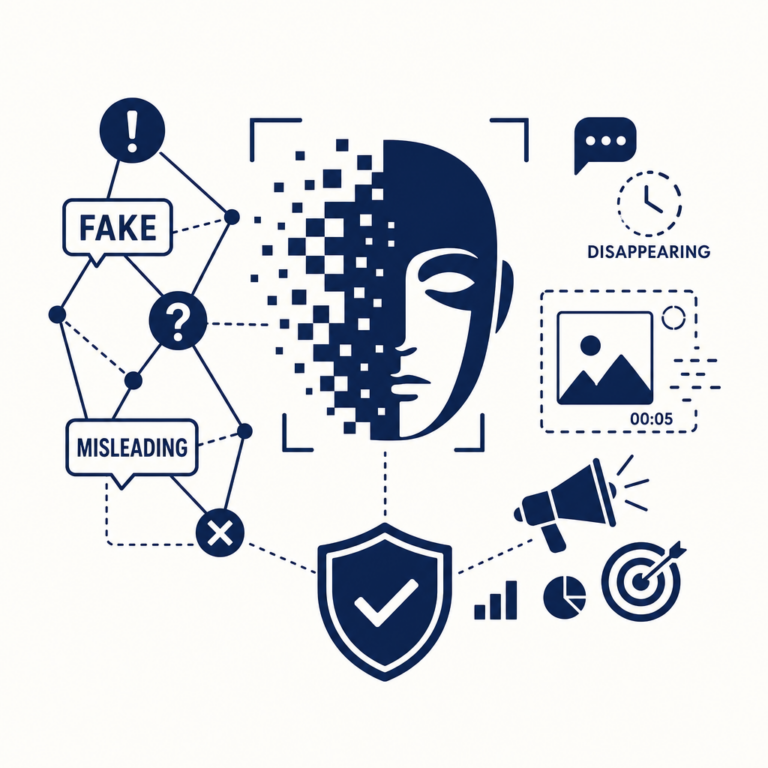
The Privacy Paradox: Balancing Viral Growth with Data Ethics in AI-Powered Marketing

In today’s digital landscape, AI-powered marketing tools are reshaping how businesses engage with consumers. However, this rapid evolution raises significant concerns surrounding data privacy and ethics. This article dives into the complexities of striking a balance between leveraging viral AI technologies for business growth and protecting user data, highlighting the ethical considerations that must guide these initiatives.
Understanding AI and Its Role in Marketing
As AI technology continues to evolve, a profound tension arises between the pursuit of rapid innovation and the ethical implications surrounding data privacy. AI tools thrive on data collection, amassing troves of information to fuel algorithms that drive personalized marketing efforts. However, this approach raises significant questions about informed consent and user profiling. Companies harnessing AI often leverage behavioral data, leading to tailored advertising experiences but at the potential cost of user anonymity.
Various real-world cases illustrate this dilemma. For instance, Facebook faced scrutiny over its lax data governance policies, which resulted in severe backlash when Cambridge Analytica misused user data for political advertising. Similarly, a popular fitness app was criticized for its data-sharing practices, which compromised user location privacy. These instances underscore that while advanced AI tools can enhance customer engagement, they can also provoke distrust if businesses fail to uphold ethical standards.
The balance between innovation and ethics is not merely a guideline; it is a fundamental aspect of modern digital marketing. As companies adopt AI, prioritizing data ethics alongside growth is essential to cultivate lasting user trust and ensure compliance with evolving privacy regulations.
The Data Dilemma: Privacy vs. Innovation
As businesses rush to adopt AI-powered tools for marketing, they confront the data dilemma—a profound conflict between swift technological advancement and the ethical ramifications of data privacy. These tools inherently gather and analyze vast streams of customer data, allowing for hyper-targeted marketing strategies. However, this relentless data collection raises critical questions about informed consent and user profiling, where individuals often remain unaware of the extent to which their data is harvested, stored, and utilized.
High-profile cases, such as the Cambridge Analytica scandal, highlight the backlash companies face when ethical considerations take a backseat to innovation. It revealed not only the exploitation of personal data but also the manipulation of user behavior without explicit consent. Such instances underscore a pressing need for businesses to evaluate their practices critically, balancing innovative aspirations with the ethical stewardship of customer data.
By embracing robust data governance frameworks, companies can begin to build trust with users. A commitment to transparency in how data is collected and used fosters an ethical foundation that enables businesses to innovate responsibly while preserving the privacy rights that consumers increasingly demand.
Navigating Privacy Regulations and Compliance
In the realm of AI-powered marketing, navigating privacy regulations such as the General Data Protection Regulation (GDPR) and the California Consumer Privacy Act (CCPA) is not merely a legal obligation; it is a fundamental aspect of ethical business practice. These regulations impose stringent requirements on how companies collect, process, and store customer data, mandating transparency and user control over their personal information. For instance, GDPR demands explicit consent from users before gathering their data, while CCPA grants consumers the right to know what data is collected and the ability to opt-out of its sale.
Business responsibilities in this landscape extend beyond mere compliance; they must also incorporate these legal frameworks into their marketing strategies. Companies are required to implement robust data governance policies that ensure ongoing compliance while fostering a culture of accountability. Failing to adhere to these privacy standards can result in severe consequences, including hefty fines and reputational damage.
To effectively align with privacy regulations, businesses should adopt a proactive approach, regularly auditing their data practices, educating employees, and leveraging privacy-friendly AI tools. By integrating these legal requirements, companies can not only mitigate risks but also enhance their overall trustworthiness in the eyes of consumers, paving the way for sustainable growth.
Building User Trust Through Ethical Data Practices
In the realm of digital marketing, user trust is paramount. Businesses that prioritize ethical data practices forge stronger connections with their customers, which can result in enhanced loyalty and engagement. One effective strategy for building user trust is to maintain **transparent data policies**. Companies should clearly articulate how user data is collected, processed, and utilized, ensuring that privacy is a core aspect of their marketing ethos.
**Effective communication** is essential. When businesses inform users about data usage—such as personalization of services—through accessible language and formats, they foster confidence and encourage user consent. For instance, organizations like Apple have made significant strides in transparency, allowing users to easily manage their privacy settings and understand the implications of data sharing.
Moreover, obtaining informed consent is critical. Businesses can incorporate simple, clear consent frameworks that empower users to make decisions regarding their data. By doing this, brands like Slack have successfully created a culture of trust, offering users extensive options for privacy settings and ensuring they feel in control of their information.
By adopting these ethical practices, companies not only operate within regulatory frameworks but also cultivate lasting relationships with their customers, driving sustainable growth in a competitive landscape.
Strategies for Sustainable Digital Marketing
As businesses seek to harness AI technologies for digital marketing, developing strategies that prioritize data ethics is paramount. One effective approach is to adopt a framework for ethical data governance that integrates transparency, user privacy, and compliance with privacy regulations. This framework can guide organizations in making informed decisions regarding data collection and usage while maintaining user trust.
Actionable insights include conducting regular audits of AI tools to ensure compliance with data privacy laws and ethical standards. Employing techniques such as anonymization and data minimization can also help businesses collect only what is necessary, mitigating the risks associated with excessive data gathering. Additionally, engaging with stakeholders—especially customers—is crucial; their feedback can provide valuable insights into evolving privacy expectations, enabling companies to adjust their strategies in real time.
Continuous ethical evaluation is fundamental. Establishing a culture that encourages open dialogue around data practices can facilitate innovation while upholding ethical responsibilities. Businesses should leverage this feedback loop to refine their marketing strategies and enhance their relationship with customers, ensuring that their approach to AI remains responsible and responsive to the changing digital landscape.
Preparing for the Future: The Next Generation of AI and Privacy
As AI technology evolves, so too does the landscape of digital marketing and the associated challenges surrounding data privacy. The next generation of AI is poised to harness even more profound insights from user data, facilitating hyper-personalized marketing experiences. However, as capabilities expand, so does the potential for misusing personal information, raising the stakes for ethical data governance.
To navigate this complex terrain, businesses must proactively adopt a framework for data privacy and compliance that anticipates upcoming regulatory changes. This involves investing in robust data governance mechanisms that ensure transparency in data collection and processing practices. Establishing comprehensive data ethics guidelines that prioritize user consent will not only foster trust but also enhance brand reputation in an environment increasingly concerned with ethical considerations.
Emerging trends, such as privacy-preserving machine learning and the use of decentralized data architectures, can facilitate the responsible use of AI tools. By embracing these innovations, businesses can craft marketing strategies that remain agile and resilient, effectively balancing viral growth with an unwavering commitment to user privacy. Continuous stakeholder engagement will be essential, as gathering feedback helps organizations adapt to evolving privacy expectations and maintain ethical integrity in their outreach initiatives.
Conclusions
As we navigate the intersection of AI-driven marketing and data privacy, businesses must prioritize ethical stewardship and user trust. By implementing robust data governance and staying informed about evolving privacy regulations, companies can harness the power of AI while respecting individual rights. Balancing these elements is crucial for sustainable growth and long-term success in the digital marketplace.