The AI Shopping Assistant Revolution Reshaping E-commerce and Consumer Decisions
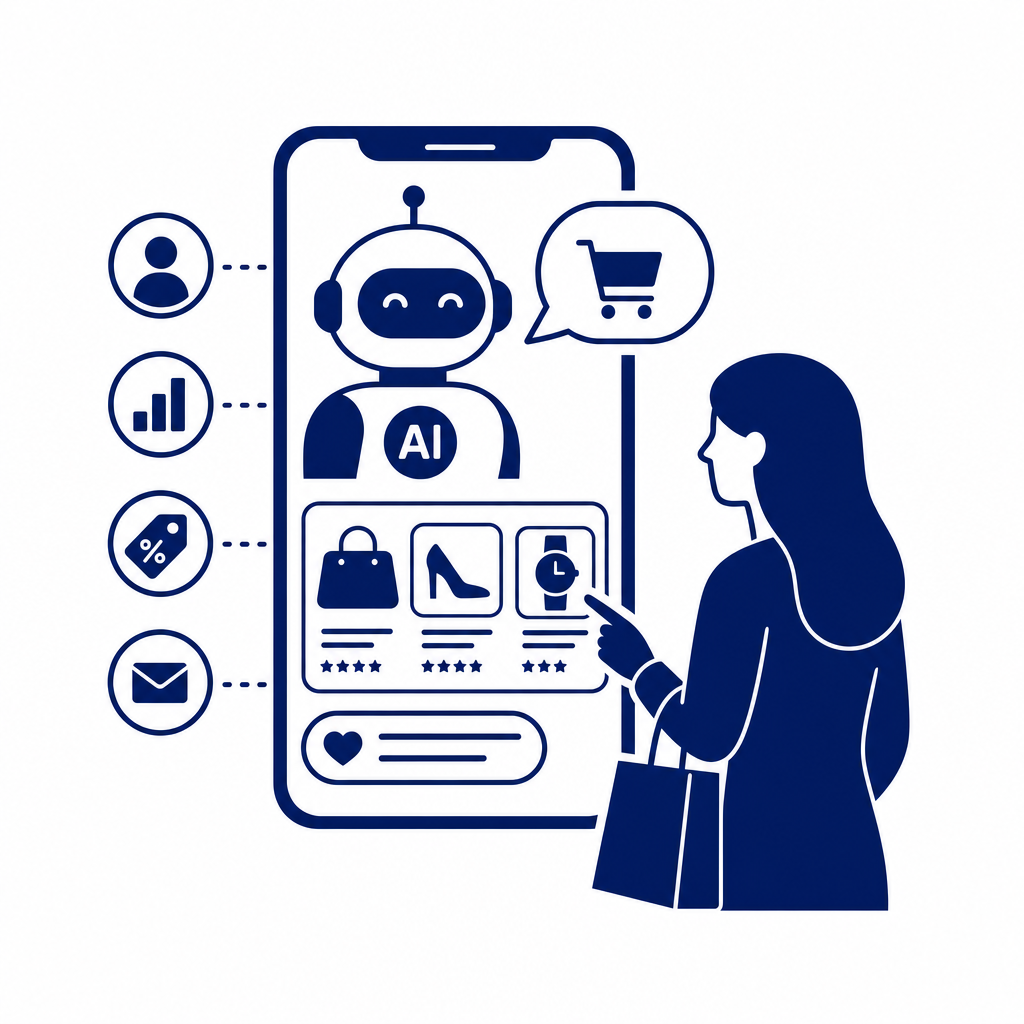
The integration of AI-powered personal shopping assistants is revolutionizing the e-commerce landscape. These technologies are enhancing consumer experiences by personalizing product interactions and influencing purchasing decisions. This article explores the implications for businesses and consumers alike in this rapidly evolving digital marketplace.
Understanding AI and Personal Shopping Assistants
The rise of AI-powered personal shopping assistants has ushered in a new era of e-commerce characterized by enhanced personalization. These sophisticated tools leverage robust data analysis to create tailored product recommendations that resonate with individual consumer behavior and preferences. By analyzing past purchasing habits, browsing history, and even social media interactions, these AI assistants construct detailed user profiles.
This wealth of information enables e-commerce platforms to present curated offerings aligned with each customer’s unique tastes. For instance, platforms like Amazon utilize machine learning algorithms to analyze millions of data points, allowing them to suggest products that a specific user is likely to purchase based on their previous interactions.
Moreover, the integration of natural language processing allows these systems to understand and respond to customer queries in a conversational manner, making the shopping experience feel more intuitive and engaging. Brands such as Stitch Fix exemplify successful personalization strategies, employing AI to recommend personalized outfits based on users’ style preferences and feedback. With the ability to adapt and learn from real-time user interactions, AI shopping assistants not only enhance the consumer’s shopping journey but also empower businesses to connect more effectively with the evolving demands of AI-savvy consumers.
Personalization in E-commerce
As AI-driven personal shopping assistants evolve, their capability to personalize product recommendations is a game-changer in e-commerce. These digital aides leverage vast amounts of consumer data, including browsing history, purchase patterns, and preferences, to create tailored shopping experiences. By analyzing this data, AI can identify trends and make intelligent suggestions that resonate with individual consumers.
For instance, platforms like Amazon and Netflix utilize advanced algorithms to present users with customized recommendations, significantly enhancing user engagement and satisfaction. They employ user profiles to segment customers effectively, allowing for targeted marketing strategies based on behavioral data.
Successful personalization strategies often involve refining user experience through techniques such as dynamic content adjustments, where the displayed items change based on real-time interactions. This not only helps in retaining consumer interest but also builds loyalty.
Moreover, a well-structured feedback loop, where users can indicate preferences and dislikes, further refines these algorithms. Stories of successful implementations, like Stitch Fix’s stylist-driven approach coupled with AI insights, illustrate the power of personalization in shaping modern consumer behavior and driving conversions in a competitive digital marketplace.
Influencing Consumer Decisions
AI shopping assistants have revolutionized the consumer decision-making process by introducing a new layer of convenience and intelligence to the shopping experience. These intelligent tools simplify the way consumers engage with e-commerce platforms, allowing for quick and efficient product searches and comparisons. By analyzing vast datasets, AI shopping assistants can suggest relevant products, highlight comparative prices, and provide user reviews, ultimately streamlining the path to purchase.
One significant impact of these assistants is the enhancement of consumer trust. With AI continuously learning from individual preferences and past interactions, users feel a growing sense of confidence in recommendations offered. This personalized approach leaves consumers less overwhelmed by choices, as the AI filters out irrelevant options, which ultimately leads to quicker buying decisions and higher satisfaction levels.
Moreover, AI assistants influence purchasing behavior by promoting informed choices. By presenting users with tailored content, such as related items or discounts, consumers are not only guided toward products that align with their taste but also encouraged to explore beyond their original intent. This trend highlights a shift in consumer behavior, where the convenience of AI fosters a more confident and informed shopping experience, ultimately creating a more engaged e-commerce landscape.
The Future of Digital Marketing
The emergence of AI shopping assistants is ushering in a transformative era for digital marketing, fundamentally altering how brands engage with consumers. As personalized AI tools become commonplace, marketers must adapt their strategies to leverage these technologies effectively. One of the most compelling marketing techniques is the use of predictive analytics, where AI can analyze vast amounts of consumer data to forecast preferences and behaviors, allowing brands to tailor their messaging and offers with unprecedented precision.
Moreover, integrating AI chatbots and virtual assistants enhances customer interaction by offering real-time assistance, thereby enriching the user experience. This not only drives engagement but also fosters deeper consumer relationships. Brands can utilize AI to create hyper-personalized content, ensuring promotions resonate with targeted audiences by delivering relevant recommendations based on consumers’ past interactions.
In a landscape where tech-savvy customers expect brands to understand them on a personal level, aligning marketing efforts with AI advancements is essential. Techniques such as automated social media marketing and personalized email campaigns can further capitalize on these insights, driving conversion rates and customer loyalty. As AI continues to evolve, marketers must remain agile, adjusting their strategies to harness these advancements responsibly and effectively, nurturing a lasting bond with consumers.
Challenges and Opportunities for Brands
As brands rush to incorporate AI shopping assistants into their business models, they face a myriad of challenges and opportunities that can shape their future in the e-commerce landscape. One prominent concern is data privacy. Consumers are increasingly wary of how their personal information is used, making it essential for brands to prioritize transparency and robust data protection strategies. Failing to address these issues could risk eroding consumer trust.
Another significant hurdle lies in the technological barriers to achieving seamless integration of AI capabilities within existing infrastructure. Not all businesses possess the necessary technical expertise or resources to harness AI effectively, which can lead to inconsistent customer experiences and a dilution of brand value. Moreover, consumer skepticism towards AI-driven solutions must be addressed; brands need to actively engage with their customers, educating them on the benefits and reliability of these tools, thereby transforming apprehension into enthusiasm.
However, embracing AI presents substantial opportunities. Enhanced personalization can lead to more meaningful consumer interactions, while leveraging data analytics allows brands to optimize inventory and marketing strategies. As businesses integrate AI shopping assistants, they can foster deeper engagement, ultimately driving retention and growth in an increasingly competitive market.
Navigating the Evolving Ecosystem
As AI-powered shopping assistants become integral to the e-commerce landscape, they inherently reshape consumer expectations and behaviors. Today’s shoppers are savvier than ever, seeking not just products, but personalized experiences that resonate with their unique preferences. In this transforming ecosystem, brands must pivot to meet these evolving demands, leveraging AI for deeper insights into consumer patterns and preferences.
To stay competitive, businesses must embrace innovation by integrating advanced analytics and machine learning to refine their product offerings. This involves not only optimizing inventory and supply chains but also enhancing marketing strategies. Brands can utilize AI to create targeted advertising campaigns, ensuring that the right messages reach the right consumers through the most effective channels.
Moreover, personalized AI shopping assistants can provide real-time recommendations, ultimately guiding consumers through their purchase journeys. By building trust and loyalty through continuous interactions, brands can foster a connection with consumers driven by personalized experiences rather than mere transactions.
As consumer expectations continue to shift, brands that prioritize adaptability and innovative engagement strategies will find significant opportunities for growth, positioning themselves not just as retailers, but as trusted partners in the shopping experience.
Conclusions
In conclusion, AI shopping assistants are reshaping e-commerce by personalizing consumer experiences and optimizing decisions. While providing numerous opportunities for brands, they also present challenges that require strategic adaptations. Embracing this technology is essential for businesses aiming to thrive in an increasingly AI-driven landscape.