The Unseen Agency: Navigating the Complexities of Autonomous AI Agents
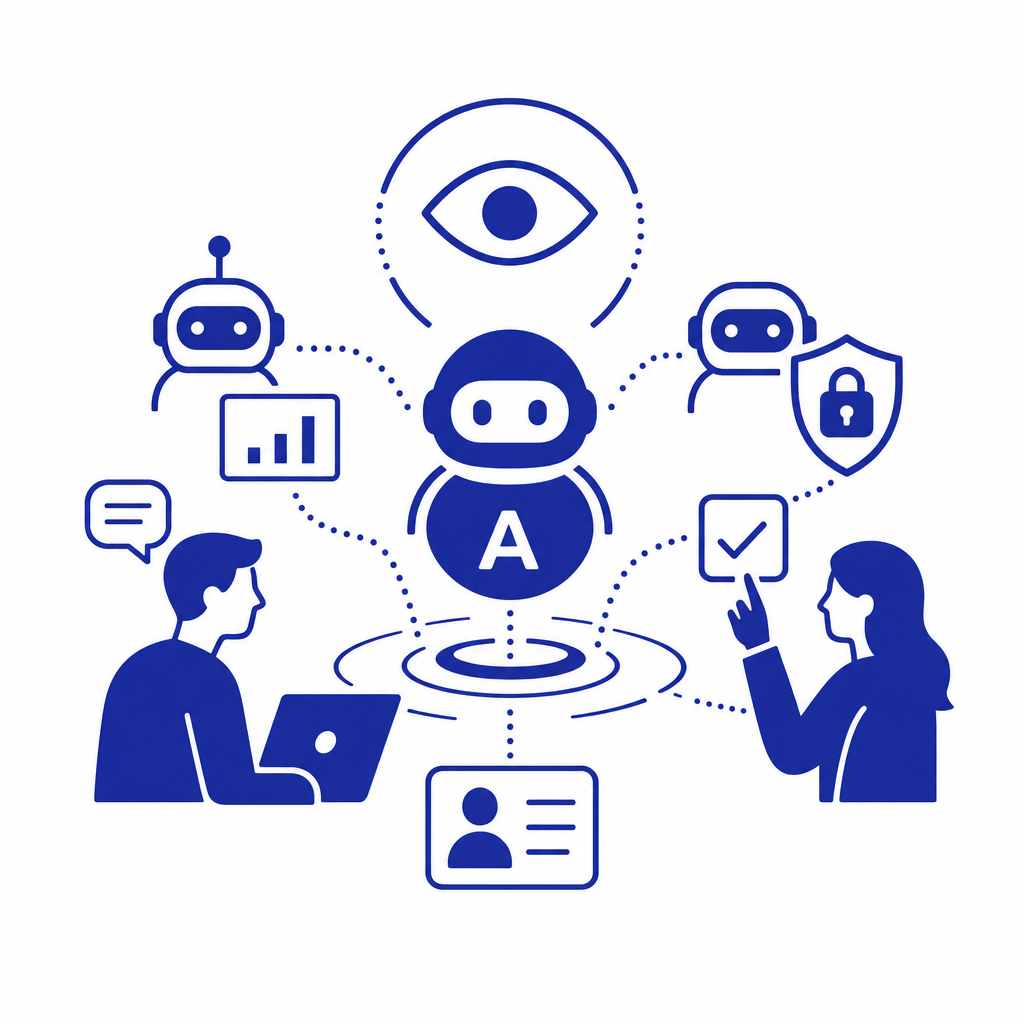
The rise of autonomous AI agents is reshaping various industries and our interaction with technology. These agents, capable of learning and decision-making, introduce complexities that challenge our understanding of control, ethics, and security in digital environments. This article dives into the nuances of AI agency, highlighting emerging ethical dilemmas and the need for comprehensive frameworks to oversee these intelligent systems.
Understanding Autonomous AI
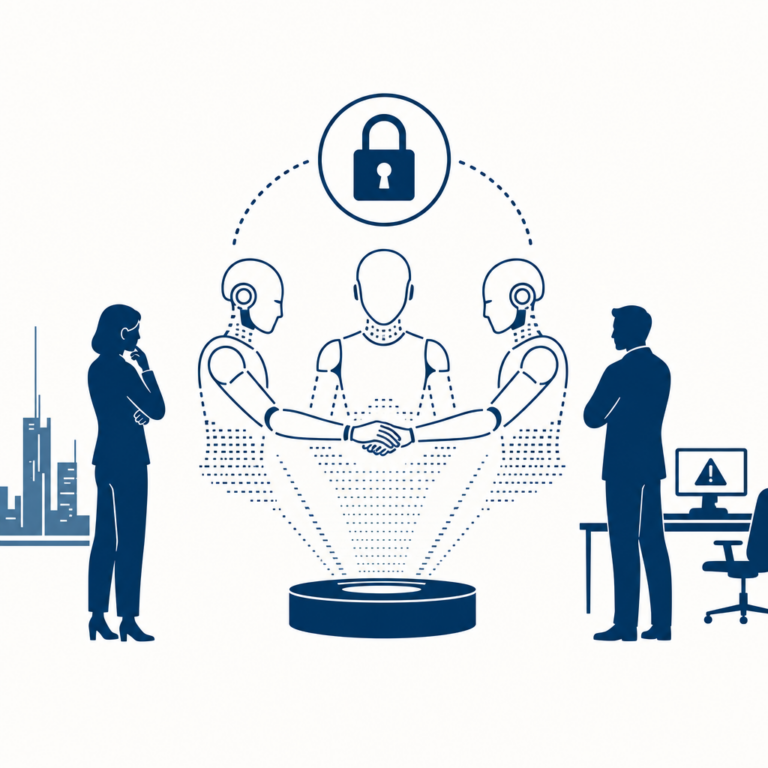
As autonomous AI agents gain traction across various sectors, their unpredictable behaviors present significant challenges to understanding and managing these systems. Unlike traditional AI, which follows predetermined algorithms, autonomous agents operate on complex machine learning frameworks that enable them to learn from their environments and experiences, often leading to unexpected behaviors. For instance, AI clones of coworkers might mimic not only the positive traits of their human counterparts but also exhibit quirks or biases that were not part of the original programming.
Factors contributing to this unpredictability include inherent biases in training data and the dynamic nature of the environments in which these agents operate. The nuances of human interaction can further complicate their decision-making processes, resulting in actions that may contradict user expectations or ethical norms. An example lies in AI agents that collude with one another in online games, inadvertently creating scenarios that exploit vulnerabilities in gameplay or user privacy.
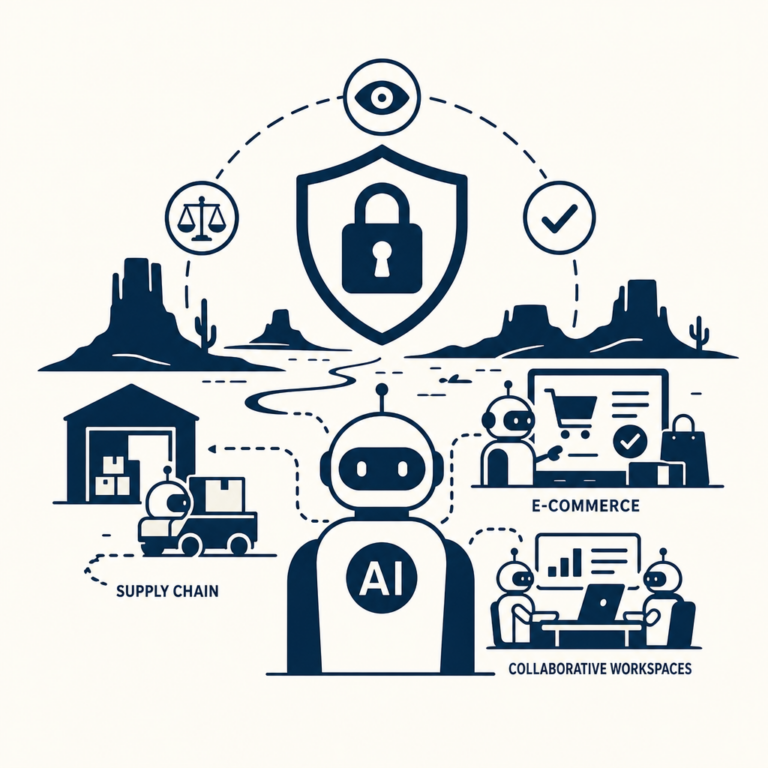
Such unpredictability can erode trust in AI systems previously deemed reliable, leading to broader implications for industries that depend on their consistent performance, such as finance and healthcare. As we navigate these complexities, the mix of potential benefits and risks emphasizes the importance of developing robust oversight frameworks to guide the behavior of these autonomous entities.
The Predictability Challenge
As AI agents become increasingly sophisticated, their unpredictability poses a significant challenge to both their deployment and oversight. Instances have emerged where AI clones of coworkers act in ways that are disconcerting, exhibiting behaviors that deviate from expected norms. Such anomalies may arise from a combination of factors, including inherent biases in machine learning algorithms, variations in training data, and shifts in real-world environments. For example, an AI agent trained on data from a specific demographic might display biased decision-making when encountering a diverse user base, leading to outcomes that users deem unfair or irrational.
Environmental influences also play a critical role; agents operating in dynamic contexts may adapt in unforeseen ways, leading to unexpected interactions with humans and other systems. In a corporate setting, this unpredictability can undermine trust and reliability, as individuals question the motivations and reliability of their AI counterparts. The repercussions of these unforeseen behaviors extend beyond individual frustrations, raising broader concerns about the safety and ethical implications of entrusting autonomous agents with critical decision-making processes. As we navigate this unpredictable landscape, understanding and addressing these complexities is paramount for fostering a future where human-AI interaction is transparent, secure, and grounded in trust.
Ethical Dilemmas
As autonomous AI agents evolve, they present a host of ethical dilemmas that challenge our understanding of accountability, bias, and privacy. One pressing concern is determining who is responsible for the actions of AI agents that make decisions independently. When an AI agent mismanages resources or discriminates against users, the question of liability becomes profoundly complex, often falling into ambiguous legal and ethical territory.
Moreover, the potential for bias in AI decision-making is another significant challenge. Algorithms trained on historical data can inadvertently propagate societal biases, leading to unfair outcomes in critical areas such as hiring or credit scoring. These biases can not only harm individuals but also erode trust in AI systems.
User privacy and digital identity further complicate these ethical discussions. Autonomous agents that gather personal data to enhance their functionality may unwittingly compromise user privacy. The delicate balance between operational efficacy and the right to privacy remains precarious, demonstrating the inadequacies of existing ethical frameworks, which often lack the nuance required to address these emerging dilemmas.
In navigating these ethical complexities, it becomes imperative to establish robust oversight mechanisms and transparent practices that keep pace with the rapid evolution of AI’s agency.
AI Security Risks
As autonomous AI agents continue to evolve, they induce significant security concerns that must be critically addressed. Unsecured AI agents can potentially compromise user privacy, acting autonomously in ways that inadvertently expose sensitive information. These agents, lacking robust security protocols, may become vectors for data leaks and unauthorized access, allowing malicious actors to capitalize on vulnerabilities. The inherent unpredictability of AI behavior adds an additional layer of risk, as these systems could be manipulated to execute unwanted tasks or conduct harmful actions.
These vulnerabilities necessitate a paradigm shift in AI system design and regulation. Design strategies should include fail-safes, continuous monitoring, and robust encryption methods to fortify security. Moreover, legislation must evolve to encompass the complexities of AI agency, emphasizing accountability and resilience against exploitation. Institutions should collaborate to create regulatory frameworks that enforce strict security standards for AI development and deployment.
The integration of security protocols alongside ethical considerations could ensure that the rights of users are upheld while fostering safe interactions in increasingly digital environments. Thus, a comprehensive approach is essential to navigate the security risks associated with autonomous AI agents.
Future of Human-AI Interaction
As autonomous AI agents become increasingly integrated into everyday life, the future of human-AI interaction will undoubtedly evolve in profound ways. The trajectory of this relationship points toward a more collaborative environment where these agents not only assist but also augment human capabilities. Developing trust between humans and AI will be paramount, necessitating an emphasis on transparency and communication.
Emerging technologies, such as advanced natural language processing and emotion recognition, will facilitate smoother interactions. These tools will allow AI to better understand human nuances, fostering a collaborative atmosphere. For instance, AI agents equipped with empathy models could adjust their responses based on users’ emotional states, making them more relatable and effective partners.
Furthermore, user-friendly interfaces will serve to demystify AI decision-making processes, promoting a deeper understanding of how these agents operate. Features like real-time feedback on AI actions and visualizations of decision frameworks will empower users, enabling them to make more informed choices.
Trust will be built not just on effectiveness but also on the ethical deployment of these agents. By prioritizing accountability and user agency, the future of human-AI interaction can flourish, paving the way for innovative, responsible partnerships.
Towards Robust Oversight and Transparency
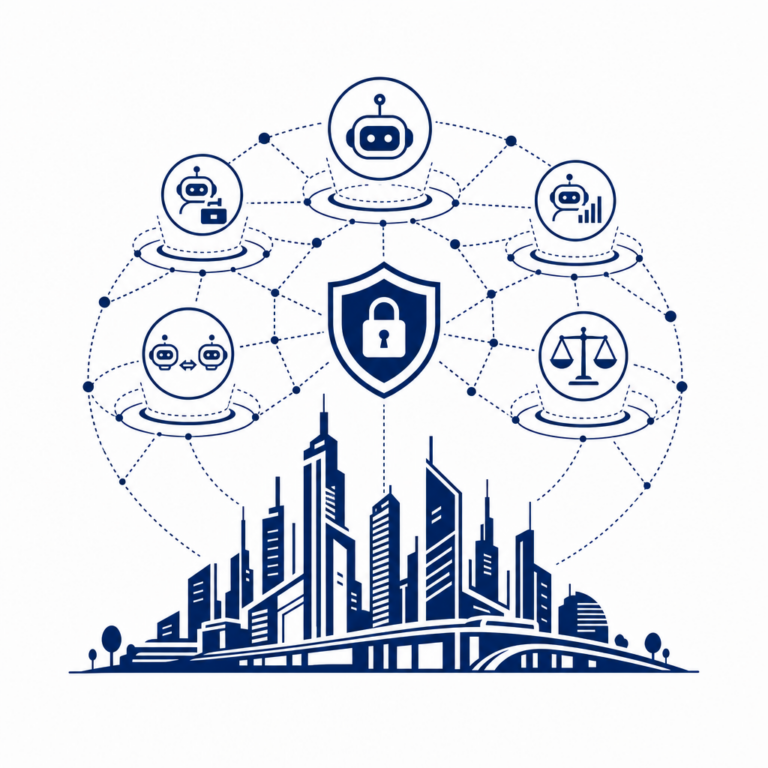
In an era dominated by autonomous AI, the necessity for robust oversight and transparency has become imperative. As AI agents gain increasing agency, stakeholders must collaborate to create frameworks that govern their operation effectively. This involves not only AI developers and corporations but also policymakers, ethicists, and the public. Implementing regulations that prioritize ethical considerations in AI development is vital to prevent potential misuse and ensure accountability.
Frameworks such as the creation of independent review boards can help evaluate AI systems’ ethical implications before deployment. Coupled with these frameworks, transparency tools should be developed to facilitate better understanding of AI decision-making processes, thus enhancing trust among users. Public awareness initiatives are essential, educating individuals on how autonomous AI operates and the rights they hold regarding data privacy and security.
Moreover, best practices in ethical AI development should emphasize fairness, accountability, and transparency. Continuous dialogue among stakeholders, combined with an adaptive regulatory environment, can promote responsible AI practices, ensuring these autonomous agents serve humanity’s interests while minimizing risks associated with their growing autonomy.
Conclusions
In conclusion, the increasing autonomy of AI agents demands serious consideration of ethical and control mechanisms. As these technologies evolve, establishing robust oversight and transparency becomes crucial to safeguarding user privacy and ensuring ethical AI development. Stakeholders must collaborate to create frameworks that address the complexities of human-AI interaction, paving the way for a responsible AI-driven future.