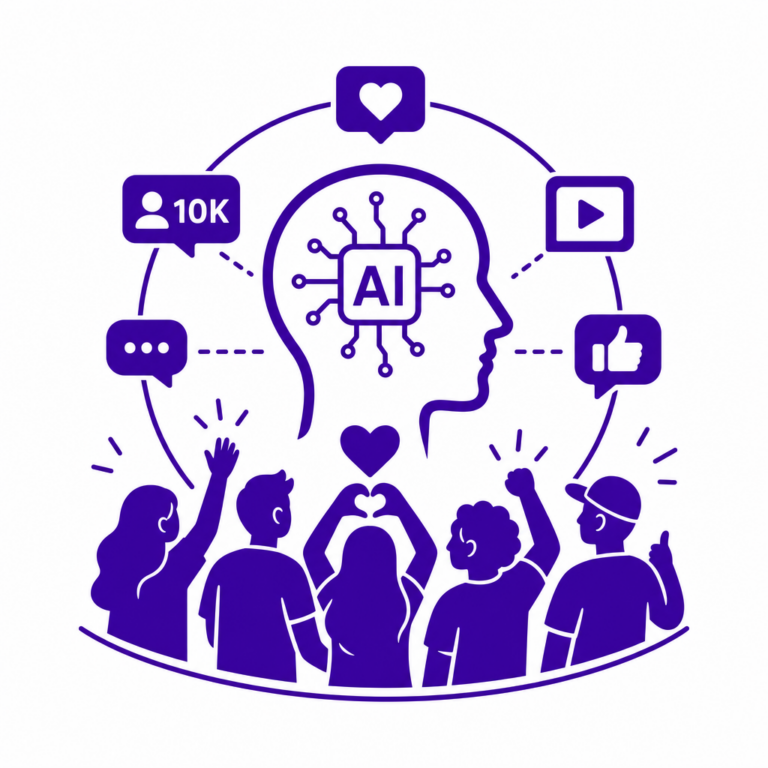
Beyond the Algorithm: Crafting Authentic Connections in a Hyper-Personalized Digital Marketing Landscape
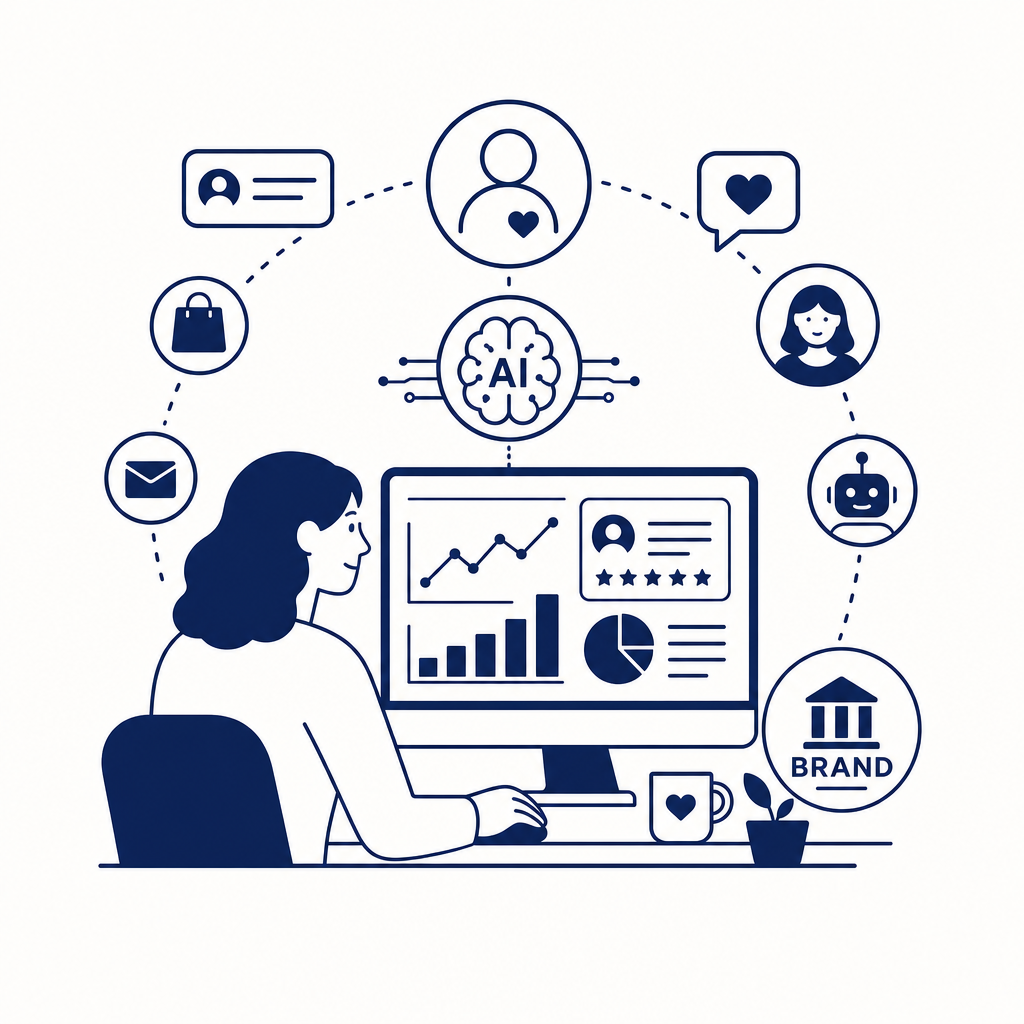
In today’s digital marketing landscape, hyper-personalization powered by data and AI is transforming how brands connect with consumers. Marketers must balance automated data insights with authentic engagement strategies to foster genuine relationships. This exploration delves into the fusion of technology and human touch, focusing on methods that ensure brands resonate deeply with their audiences.
The Rise of Hyper-Personalization in Marketing
The rise of hyper-personalization in marketing reflects a tectonic shift in consumer expectations, fueled by advancements in technology and an abundance of data. As today’s consumers are bombarded with generic advertisements, they increasingly seek individualized experiences tailored to their preferences and behaviors. This evolution has empowered digital marketers to leverage sophisticated data analytics, which plays a crucial role in shaping targeted campaigns that resonate on a personal level.
Successful brands like Amazon and Netflix exemplify this approach, utilizing algorithms that analyze user behavior to provide recommendations uniquely suited to each individual. Amazon’s “Customers who bought this also bought…” section and Netflix’s tailored content suggestions illustrate how hyper-personalization enhances customer engagement, encouraging brand loyalty through meaningful interactions.
Moreover, the fusion of AI in marketing has transformed data into actionable insights. By harnessing machine learning, brands can predict consumer trends and proactively address customer needs, creating not just a transactional relationship but a genuine emotional connection. This new paradigm signals a departure from one-size-fits-all marketing strategies, highlighting the importance of authenticity in brand building amid a hyper-personalized landscape. Ultimately, those who embrace this transformation stand to cultivate deeper customer relationships that drive sustainable growth.
Data as the Backbone of Personalization
Data serves as the backbone of personalization in digital marketing, enabling brands to craft tailored experiences that resonate with individual customers. Different types of data—including behavioral, transactional, and demographic—provide invaluable insights. Behavioral data, gathered from user interactions on websites or apps, reveals preferences and habits, allowing marketers to predict future actions. Transactional data, which includes purchase history and transaction details, helps identify not just what customers buy but when and how often, facilitating timely marketing interventions. Demographic data, encompassing age, gender, income, and location, can guide segmentation strategies, ensuring that campaigns reach the right audience.
To leverage these insights effectively, marketers can implement techniques such as customer journey mapping and segmentation based on purchasing behavior. However, as they navigate this data-driven landscape, ethical considerations become paramount. The methods of data collection and usage should prioritize customer privacy and transparency. Brands must ensure that customers feel secure in sharing their information by establishing trust through clear communication about data usage. Balancing hyper-personalization with authenticity safeguards long-term relationships, enabling brands to reflect values that resonate deeply with their audience while remaining compliant in a rapidly evolving regulatory environment.
Integrating AI into Marketing Strategies
Artificial intelligence is transforming marketing strategies by offering tools that enhance automation, provide deep analytics, and facilitate accurate predictions of consumer behavior. Marketers can utilize AI-driven platforms, such as machine learning algorithms and natural language processing, to analyze vast datasets rapidly, identifying patterns that illuminate customer preferences and behaviors.
For instance, AI-powered chatbots streamline customer service, allowing brands to engage with consumers in real time, offering instant answers and personalized recommendations. These tools not only elevate customer engagement but also gather valuable data, fostering an ongoing cycle of improvement in marketing strategies.
Consider Netflix, which employs advanced algorithms to analyze viewer habits and preferences, tailoring content recommendations to individual users. This hyper-personalization not only increases user satisfaction but also drives engagement, keeping subscribers loyal to the platform.
Another example can be found in the retail sector, where brands like Amazon utilize predictive analytics to suggest products based on previous purchases and browsing behavior. This level of personalization enhances customer experiences and steadily builds brand loyalty, demonstrating that when AI is harnessed effectively, it can foster deeper connections between businesses and their customers while retaining authenticity in brand interactions.
Maintaining Authenticity in an Automated World
In an age dominated by data and algorithms, the temptation to rely solely on automation in digital marketing is ever-present. However, an overreliance on automated processes can lead to sterile communications, creating brand experiences that feel impersonal and disconnected. Maintaining authenticity in this automated environment is crucial, as customers increasingly seek genuine interactions with brands. Without a human touch, consumer engagement may dwindle, resulting in lost loyalty and a diluted brand essence.
To strike a balance, marketers should employ a strategic mix of automation and authentic engagement. For instance, automated tools can efficiently handle customer segmentation and targeted messaging, while human intervention remains vital for crafting responses that resonate on a personal level. One successful campaign is Adobe’s “Real-Time Customer Data Platform,” which integrates AI to gather insights but emphasizes the importance of real human stories in its marketing materials, fostering an authentic narrative.
To further enhance this balance, brands can invest in training their teams to personalize automated responses or dedicate moments during campaigns for live interactions through social media Q&As or webinars. Harnessing the power of AI while prioritizing genuine voice and connection can ensure a holistic approach that honors the complexities of human relationships in a digital marketplace.
The Importance of Building Genuine Customer Relationships
In an age where digital marketing is dominated by automation and data-driven strategies, establishing authentic connections with customers becomes paramount. Genuine relationships create long-term benefits, including increased loyalty, enhanced brand reputation, and higher customer lifetime value. By fostering trust, brands can set themselves apart in a crowded marketplace.
To nurture these connections, businesses should prioritize transparency, allowing customers to see the people behind the brand. Regular engagement through personalized messaging, social media interactions, and community-building initiatives sustains ongoing conversations that resonate with customers. Responsive communication ensures customers feel heard and valued, empowering them to share feedback without hesitation.
Measuring the effectiveness of relationship-building efforts can be accomplished with various engagement metrics, such as Net Promoter Score (NPS), customer satisfaction ratings, and social media interaction rates. Collecting qualitative feedback through surveys and focus groups provides deeper insights into how customers perceive relationships with brands.
Investing in authentic engagement strategies not only signifies a commitment to customer relationships but also reinforces brand loyalty, creating a sustainable advantage in an increasingly automated marketing environment. Ultimately, it is these connections that will determine the trajectory of brand success amid evolving consumer expectations.
Future Trends in Hyper-Personalized Marketing
As we look to the future of hyper-personalized marketing, emerging technologies and shifts in consumer behavior will play a pivotal role in reshaping strategies. Innovations like augmented reality (AR) will enhance engagement, enabling brands to provide immersive experiences that resonate on a personal level. Picture a consumer using AR to visualize how a product fits into their life—this type of engagement fosters emotional connections that go beyond traditional marketing.
Moreover, advancements in artificial intelligence (AI) will drive even deeper personalization. Sophisticated algorithms can predict consumer preferences with remarkable accuracy, allowing marketers to tailor their offerings almost in real-time. However, it’s crucial that these technologies are deployed responsibly. Privacy regulations are tightening, requiring marketers to balance personalization with ethical data use. Transparency will become a core tenet of brand trust; consumers demand clarity around how their data is used.
In this evolving landscape, marketers will need to refine their strategies to ensure authenticity in their communications. Harnessing data-driven insights while remaining genuine will be the cornerstone of successful brand building, ensuring that even as automation rises, the human touch is never lost in customer engagement.
Conclusions
In conclusion, as digital marketing continues to evolve with AI and data-driven personalization, the core of successful strategies hinges on authenticity and customer relationships. By thoughtfully integrating these elements, brands can not only engage consumers effectively but also build lasting connections that outlast fleeting trends.