The Human Canvas: Preserving Creativity and Craft in an AI-Driven World
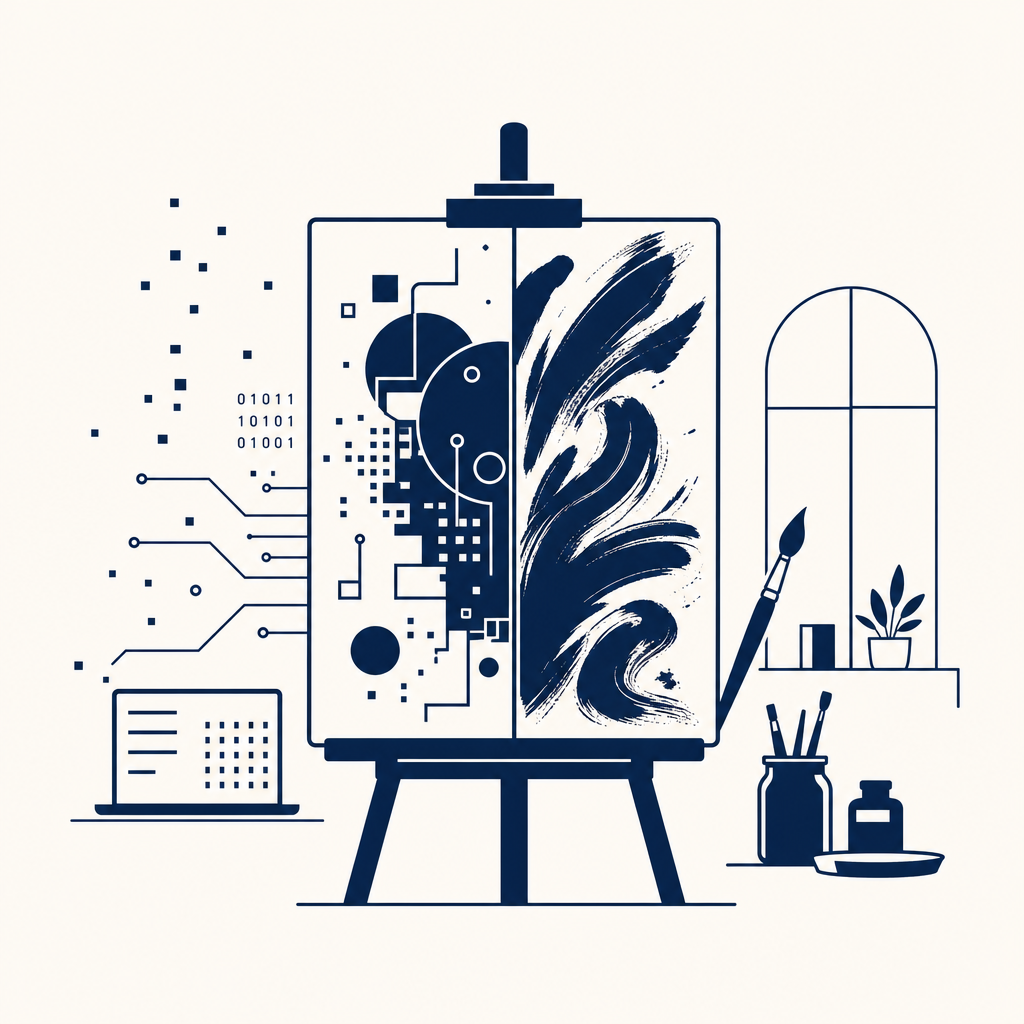
In an age where artificial intelligence permeates every sector, the essence of human creativity faces unprecedented challenges. This article unveils the intricate dynamics between AI and human artistry, exploring the movements advocating for the preservation of originality, ethical standards, and the distinct human touch in creative endeavors.
The Rise of AI in Creative Industries
The emergence of AI technologies in the creative sector has sparked a profound transformation, giving rise to tools capable of generating art, music, and literature with remarkable sophistication. Notable advancements include deep learning algorithms and neural networks that empower AI to analyze vast datasets of existing works, enabling it to produce original pieces that mimic the styles of renowned artists. Programs like OpenAI’s DALL-E create visually stunning images based on textual prompts, while platforms such as AIVA and Amper Music compose emotive soundtracks that rival human composers.
These innovations significantly reshape traditional creative industries by shifting the dynamics of authorship and originality. While AI’s capabilities facilitate unparalleled creativity, they also pose challenges for traditional artists, who may face increased competition from AI-generated content. The blurring lines between human and machine-generated works invite critical examination of what constitutes artistry and the unique value of human creativity. Artists, in response, are beginning to explore new avenues to define their work, embracing hybrid forms and regional styles that emphasize their distinct perspectives, ultimately navigating a new landscape where the coexistence of human talent and AI technology is becoming increasingly complex.
Understanding AI Ethics in Creativity
As AI continues to evolve within creative industries, it raises complex ethical dilemmas surrounding authorship, copyright, and responsibility. The question of who owns AI-generated content often leads to contention as traditional boundaries of creativity blur. Are the creators of algorithms the rightful authors, or do the AI systems themselves hold some claim? This ambiguity necessitates a robust ethical framework to redefine the ownership of creative work.
Ethical innovation in AI requires a proactive approach to address these concerns. Developing transparent guidelines that ensure accountability for AI developers and users is critical. This includes mechanisms to credit human contributions accurately and safeguard against unintentional plagiarism from existing works. Moreover, moral responsibility must extend to understanding how AI influences public perception of creativity.
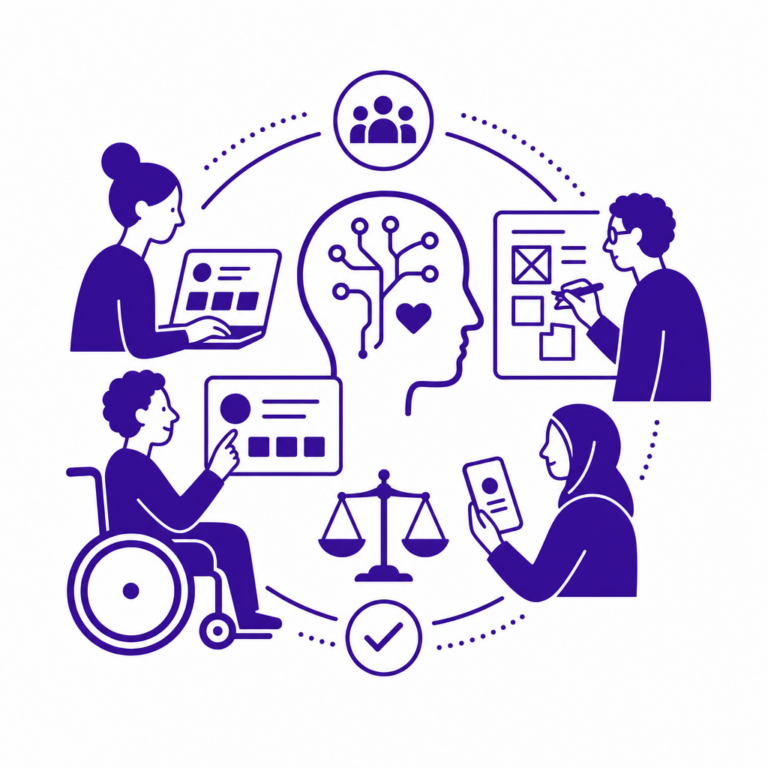
As we navigate this new landscape, it becomes essential to promote frameworks that encourage collaboration between human creators and AI. Initiatives that advocate for ethical use of AI in artistry allow for innovative synergies while preserving the distinct value of human creativity. By fostering a culture that prioritizes ethical considerations in AI-driven processes, we can ensure that technology enhances—not displaces—the richness of human expression in the creative realm.
Counter-Movements to AI Domination
As AI technologies seamlessly weave themselves into the fabric of the creative industries, a robust counter-movement is emerging, composed of artists, organizations, and communities staunchly advocating for the preservation of human artistry. Groups like Artists for an Ethical AI and the Creative Commons have seized the initiative, fostering dialogue around the distinct qualities of human creativity that no algorithm can replicate. This movement emphasizes the emotional depth, cultural context, and authentic expression that characterize human-produced art.
Artists are uniting through digital countercultures, creating platforms that prioritize original thought and human craftsmanship over automated outputs. These spaces, fueled by a desire for talent preservation, challenge the notion that creative work can be commodified by AI’s rapid automation. Community-led campaigns and social media dialogues are urging the public to recognize the unique attributes of artistic endeavors that stem from personal experience and cultural narratives.
Amid this resistance, discussions surrounding AI ethics in creativity take center stage, urging ethics to serve as a guiding principle. By promoting the intrinsic value of human creativity, these counter-movements provide a crucial check on unchecked AI advancement, advocating for an environment where innovation serves to enhance human artistry rather than overshadow it.
Regulating AI’s Role in Creativity
Regulating AI’s Role in Creativity:
As AI technology rapidly transforms creative industries, the urgent need for robust regulations becomes undeniable. The challenge lies in ensuring that AI enhances human creativity rather than undermining it. Current discourse highlights the necessity of establishing a framework that respects originality and ethical standards in artistic work. Initiatives such as the Call for A.I. Regulation, championed by artists and industry leaders, advocate for policies that require transparency in AI-generated content and acknowledge the role of human input.
Proposals under consideration include frameworks that mandate attribution for AI-generated works and guidelines to prevent the commodification of human creativity by machine outputs. Moreover, offerings like the Creative Future Coalition are pushing for legislative measures to protect artists’ rights in the age of algorithm-driven creativity.
By fostering an environment in which ethical innovation thrives, stakeholders can ensure that originality is preserved while still leveraging AI’s potential for enhancement. This regulatory approach encourages a balanced ecosystem where human artistry flourishes alongside advancements in AI, ultimately championing creativity’s unique intrinsic value.
The Future of Design in an Automated World
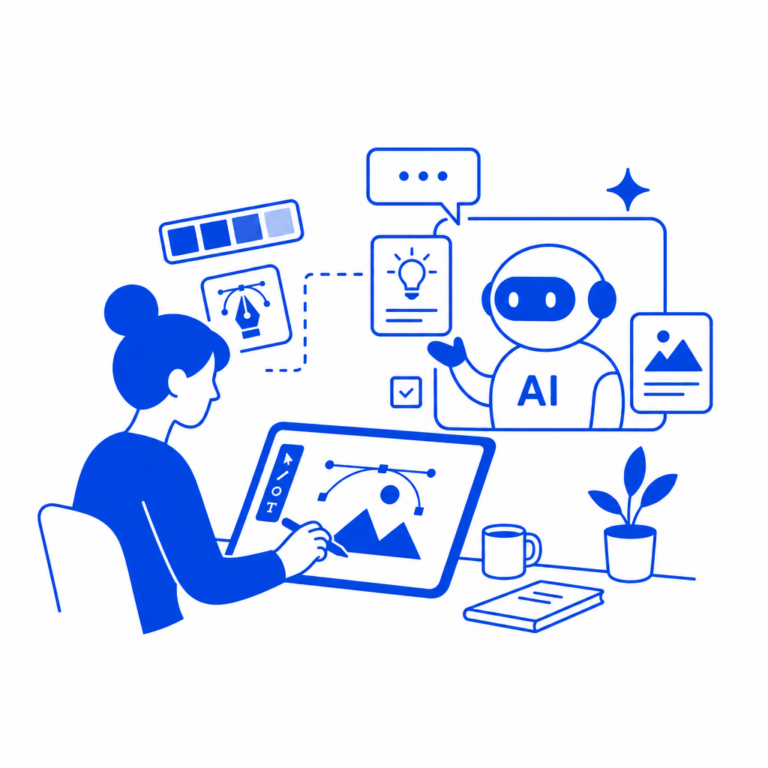
As AI evolves within the design landscape, its implications for creativity and artistic expression become increasingly complex. While AI offers efficiency and innovation through design automation, the challenge lies in integrating these tools without compromising the essence of human creativity. Designers can utilize AI to augment their processes, allowing for faster iterations and data-driven insights, yet maintaining a distinct style and personal touch remains critical.
A notable trend is the emergence of collaborative design environments where AI acts as a co-creator rather than a replacement. This paradigm encourages designers to leverage generative design algorithms that can suggest multiple design options based on specific criteria, while the human designer adds the emotional and contextual depth that machines lack. Such collaborative dynamics should focus on enhancing human intuition and imagination, fostering a symbiotic relationship between man and machine.
Looking forward, the role of human designers will evolve into that of curators and integrators, guiding AI’s output and ensuring that technological advancements do not overshadow the importance of individual vision. By embracing this approach, the future of design can reflect a harmonious blend of technological sophistication and human authenticity, ensuring that creativity remains a uniquely human trait in an AI-driven world.
Talent Preservation and Ethical Innovation
As artificial intelligence continues its relentless advance, the conversation around talent preservation and ethical innovation has never been more vital. In a landscape where AI can generate art, music, and content at lightning speed, human creativity must find its footing and value in a digital culture that often prioritizes efficiency over artistry. Institutions and creatives alike are advocating for a balance where human ingenuity shines alongside AI.
One effective strategy is the establishment of ethical guidelines that govern AI usage in the creative industries, ensuring that human talent is not merely a footnote in the face of technological advancement. This can involve developing frameworks that mandate transparency in AI-generated content, allowing audiences to discern and appreciate the nuances of human artistry.
Successful collaborations serve as exemplary models of this hybrid approach. For instance, the partnership between renowned artists and tech companies, such as the collaboration between musician Will.i.am and AI developers, fosters a dialogue where AI tools augment rather than replace human creativity. Such initiatives show that, when executed ethically, AI can enhance artistic expression while preserving the unique contributions of human talent.
Ultimately, advocating for ethical innovation creates a robust ecosystem where human creativity is not only preserved but celebrated, ensuring a future where innovation complements artistry rather than undermines it.
Conclusions
As AI technology evolves, the need for a robust framework to protect and celebrate human creativity becomes paramount. By fostering dialogue, establishing ethical standards, and creating regulations, we can ensure that artistry, innovation, and original thought thrive in an increasingly automated world.