
Beyond Tokenism: Designing for Authentic Representation in Digital Worlds
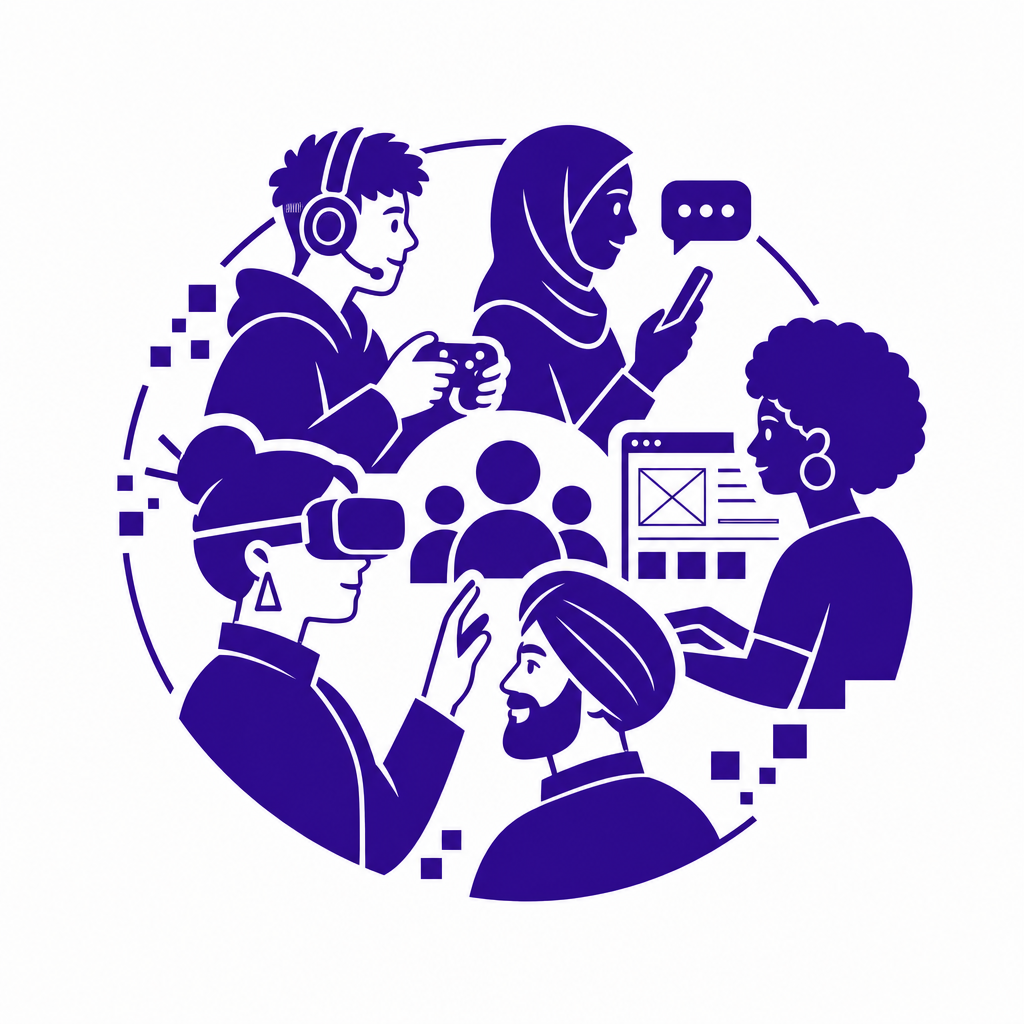
In the rapidly evolving landscape of digital design, authenticity in representation is pivotal. This article delves into how creative design combined with emerging technologies can foster genuine diversity, moving beyond token gestures. It will examine the essential role of designers in promoting inclusivity and cultural accuracy within digital experiences.
The Importance of Authentic Representation
Authentic representation in digital environments is essential for creating meaningful user experiences that resonate on a cultural level. When users see themselves reflected accurately in digital products, they are more likely to engage and feel a sense of belonging. This connection can significantly impact user satisfaction and loyalty, turning interactions from mere transactions into lasting relationships. Conversely, misrepresentation or lack of representation can alienate users and lead to negative perceptions of a brand.
Successful examples, like the thoughtful character designs in *Overwatch*, showcase diverse identities that are multi-dimensional, allowing users to identify with characters in profound ways. On the flip side, many games and media have fallen into the trap of tokenism—superficially including characters from marginalized backgrounds without depth or authenticity. Examples include poorly developed side characters who serve merely as plot devices rather than as fully realized individuals, which can exacerbate stereotypes rather than dismantle them.
Thus, it is vital for designers to prioritize depth in character portrayals, ensuring that each representation is intricately woven into the digital narrative. This approach not only enhances user experience but also fosters a richer cultural dialogue, promoting understanding and acceptance in increasingly diverse digital worlds.
Exploring Inclusive Design Principles
Inclusive design principles serve as a cornerstone for creating digital products that authentically represent diverse users. By prioritizing accessibility and representation, designers can develop experiences that cater to a wider range of perspectives. Key methods include user-centered design, co-design with marginalized communities, and iterative testing with diverse demographics.
Frameworks such as the **WCAG (Web Content Accessibility Guidelines)** and the **Inclusive Design Toolkit** provide essential guidelines for building accessible interfaces. Designers can employ tools like **personas** that reflect diverse user backgrounds, ensuring that varied experiences inform the design process.
Case studies exemplify the efficacy of inclusive design: for instance, a gaming company that created an avatar customization system based on real-world cultural attire not only fostered a sense of belonging among players but also elevated the overall gaming experience. Similarly, a collaborative platform developed alongside users with disabilities addressed accessibility hurdles, resulting in a product that not only functioned better but also resonated more deeply with its target audience. By embedding inclusive principles into every stage of design, the digital landscape can shift from superficial measures of representation to fostering genuine connections and cultural accuracy.
Ethical AI and its Role in Representation
Artificial intelligence (AI) has become a powerful tool in shaping digital representation, offering unprecedented opportunities for enhancing diversity and inclusivity in user experiences. However, this comes with significant ethical implications that designers must navigate. AI systems often reflect the biases present in their training data, leading to skewed representations that can reinforce stereotypes and marginalize certain groups. Designers play a crucial role in advocating for responsible AI usage, ensuring diverse data sets are incorporated to mitigate bias and create more accurate representations.
To leverage AI responsibly, designers should embrace transparency and accountability in their processes. This includes openly sharing methodologies and the sources of training data, allowing for critical evaluation and feedback from diverse perspectives. By fostering collaborations with underrepresented communities, designers can ensure that their AI tools are more reflective of the varied human experience.
Moreover, eyeing future advancements, it’s essential that designers utilize AI to enhance the richness of digital worlds without overshadowing authentic voices. This approach allows for nuanced storytelling and character development, especially in fields like gaming and metaverse design, where immersive experiences can drive profound connections across diverse audiences.
Addressing Bias in Design Paradigms
Designers must confront and dismantle existing biases ingrained in traditional design paradigms that shape digital representation. These biases often manifest through stereotypes and narrow narratives, further perpetuating a limited worldview. Innovative design practices can serve as robust tools for challenging such narratives, fostering authenticity and inclusivity.
To identify and mitigate biases, designers can employ several strategies. First, conducting comprehensive user research that prioritizes diverse user demographics can illuminate underrepresented perspectives and experiences. Incorporating inclusive design frameworks encourages teams to define target audience criteria expansively, moving beyond superficial traits to capture genuine cultural nuances.
Teams should also engage in critical reflection sessions where designers analyze past projects for potential biases, examining how design choices may have unintentionally upheld stereotypes. Implementing a feedback loop, where diverse voices are invited to critique design outputs, can provide invaluable insights that drive cultural accuracy.
Additionally, leveraging technology, including AI and machine learning, responsibly can streamline bias detection in both narrative and visual elements. By prioritizing a fuller spectrum of cultural narratives, designers can create digital experiences that not only reflect a myriad of identities but also encourage a sense of belonging and acceptance in traditionally marginalized communities.
Advocating for Diverse Perspectives
Designers hold a pivotal role as advocates for diversity within their respective fields. By actively collaborating with marginalized communities, designers can transcend tokenism, leading to more authentic representation in digital products. Engaging with diverse voices is essential in uncovering unique perspectives that enhance the user experience, ensuring that the digital worlds we create reflect the multiplicity of human experiences.
Practical strategies for inclusive engagement include hosting workshops where community members can share their stories and experiences, incorporating feedback loops that allow for iterative design processes, and establishing long-term partnerships with advocacy groups. Such collaboration not only enriches the design but also fosters trust, allowing marginalized communities to see themselves represented accurately and meaningfully within digital experiences.
Moreover, designers can leverage ethical AI tools to analyze data related to user experience and adapt designs in real time. This technology can assist in identifying gaps in representation, thus enabling designers to address unmet needs directly. By advocating for diverse perspectives and embedding authentic voices into the design process, we pave the way for transformative digital experiences that resonate deeply and reflect the richness of human diversity.
Inspiration from Media and Gaming
The evolution of character representation in media and gaming provides crucial insights for designing inclusive digital experiences. Historically, character design often leaned towards stereotypes or tokenism, neglecting the rich tapestry of cultural identities. However, recent initiatives illustrate a transformative shift towards authenticity and depth. For instance, games like *The Last of Us Part II* feature nuanced characters that reflect their diverse backgrounds with integrity. This approach goes beyond visual representation, integrating cultural narratives that resonate with players on a personal level.
The tech industry can draw valuable lessons from these successful efforts. By prioritizing cultural accuracy, designers can create digital experiences that foster genuine connection and understanding among users. For example, incorporating the principles of inclusive design from the gaming sector—such as involving community stakeholders in the development process—ensures that products reflect lived experiences authentically.
Additionally, leveraging ethical AI tools to analyze and understand diverse user experiences can help address systemic biases in existing design paradigms. By cultivating environments where varied perspectives are celebrated, tech products can transcend superficial inclusion, fostering true belonging and respect within digital worlds.
Conclusions
In conclusion, true representation in digital worlds necessitates a committed approach to inclusive design, ethical AI use, and cultural integrity. By focusing on authenticity rather than tokenism, designers can create more meaningful connections and experiences that reflect the diverse spectrum of human identity. Together, we can shape a digital future that celebrates authentic cultural narratives.