The AI Legal Frontier: Navigating IP, Privacy, and Regulation in the Age of Generative Models
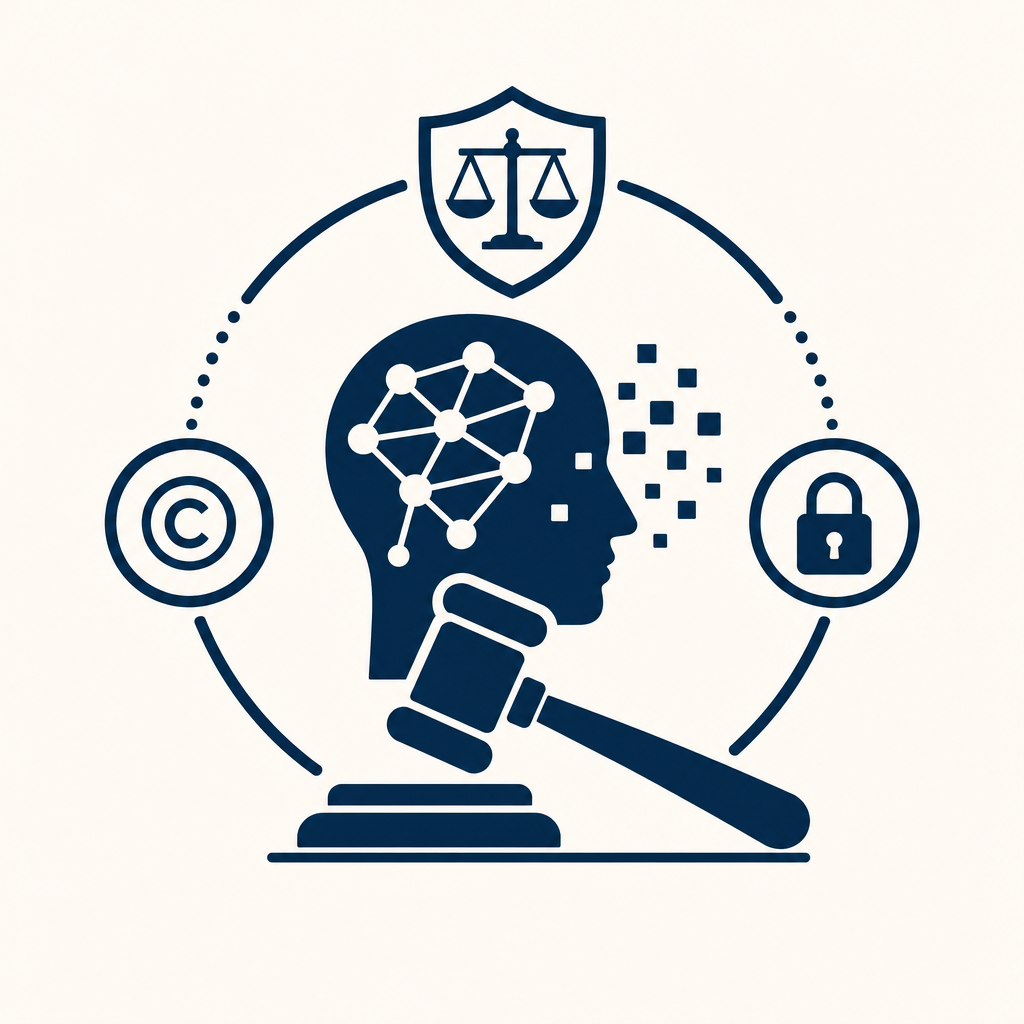
As artificial intelligence continues to evolve, it challenges conventional legal frameworks, particularly in the realms of intellectual property, data privacy, and regulation. This article navigates the legal complexities emerging around generative models, highlighting significant lawsuits and exploring the essential regulatory developments shaping the future of AI.
The Rise of Generative AI and Legal Implications
The rapid ascent of generative AI technologies has sparked a myriad of intellectual property (IP) challenges that the legal landscape struggles to navigate. Notably, the case of **New York Times vs. OpenAI** exemplifies the complexities arising from copyright infringement accusations involving machine-generated content. As generative models produce unique outputs through learned patterns from existing texts, the fundamental question arises: Who owns the rights to these creations? Traditional IP laws are designed with human authorship in mind, leading to confusion when AI operates as the creator.
The core issue lies in defining originality. For decades, copyright protection required a tangible expression of an idea attributable to a specific human creator. However, generative models – which synthesize vast data inputs to produce text, images, or sounds – challenge this notion. Courts may need to establish precedents that will either adapt existing frameworks or introduce new regulations to account for AI-generated content. Furthermore, the potential for misuse of these technologies adds urgency, as infringing parties may exploit the ambiguity surrounding IP rights. As stakeholders grapple with these emerging issues, the future of creative ownership in a digital age remains precarious, reflecting a critical need for legal adaptation in the face of relentless technological advancement.
Intellectual Property Challenges in AI
As generative AI increasingly permeates creative industries, it converges with established intellectual property (IP) laws, exposing significant complexities. Notably, the case of **New York Times vs. OpenAI** has illuminated the potential for copyright infringement inherent in these technologies. The lawsuit raises questions about who owns the rights to content generated by AI—whether it belongs to the creator of the AI, the user, or if it falls into an ambiguous gray area. Traditional IP laws, designed to protect human creators, struggle to adapt to the nuances of machine-generated content.
Central to this debate is the concept of **authorship**. AI models, which synthesize vast amounts of data to produce original works, pose a challenge regarding the fundamental criteria of originality and creativity. Courts and regulators face the daunting task of redefining these concepts to fit the digital age where AI can produce work that may not only mimic but potentially innovate upon existing intellectual property.
Moreover, as generative AI blurs the line between inspiration and imitation, it underscores the urgent need for a reevaluation of legal frameworks governing IP rights. The outcomes of these discussions could redefine digital rights in a world increasingly influenced by **frontier AI** technology, ultimately influencing both the creators and consumers in this new digital landscape.
Data Privacy Concerns in the Age of AI
The deployment of generative AI models surfaces significant data privacy concerns, particularly as these technologies increasingly process vast troves of user data. The case of **FTC vs. Hims & Hers** underscores the potential ramifications when companies fail to adhere to stringent data handling practices. This lawsuit highlighted how misleading advertising about data usage can lead to serious violations of privacy regulations, ultimately resulting in legal repercussions and reputational damage.
As generative models often rely on sensitive personal information to fine-tune their algorithms, the integrity and security of this data are paramount. Without robust data protection measures, organizations expose themselves to risks of data breaches, misuse, and loss of user trust. This situation raises critical questions regarding the adequacy of current privacy laws. The rapid advancement of AI technology can outpace existing frameworks, leaving gaps that exploitative practices might fill.
Adhering to privacy laws, including measures dictated by regulations such as the GDPR and CCPA, is becoming indispensable for responsible AI use. Companies must implement comprehensive data governance strategies and foster transparency in how user data is processed and utilized. Ethical AI practices call for a commitment to user privacy, which will not only mitigate legal risks but also cultivate a symbiotic relationship between technology and the rights of individuals.
Regulatory Frameworks for AI Development
The rapid development of generative AI has spurred significant interest in creating robust regulatory frameworks, both nationally and internationally. Governments and international bodies are actively seeking to establish guidelines that govern AI technologies, focusing on ethics, accountability, and data protection. For instance, the European Union’s AI Act aims to classify AI systems based on risk levels, imposing stricter requirements on high-risk applications. This type of legislation reflects an understanding that proactive measures are crucial for fostering trust among users while promoting innovation.
In the United States, various bills have been proposed, such as the Algorithmic Accountability Act, which seeks to mandate audits for automated decision-making systems. These initiatives highlight a growing movement towards ensuring transparency and accountability within AI systems. However, discrepancies in regulatory approaches across borders pose challenges for businesses operating in a global landscape, as they must navigate diverse legal requirements.
The swift evolution of AI technologies often outpaces regulatory efforts, leading to gaps in coverage. As stakeholders—including lawmakers, industry leaders, and advocacy groups—collaborate to close these gaps, the potential impact of these regulations becomes clear. Establishing comprehensive frameworks for AI will be essential for balancing technological advancement with respect for digital rights and public welfare, ultimately paving the way for responsible AI deployment.
Ethical Guidelines for AI Use
The rapid evolution of AI technologies necessitates the establishment of ethical guidelines to govern their development and deployment. Central to these guidelines are principles like fairness, transparency, and accountability, which resonate deeply with existing legal frameworks. Fairness aims to ensure that AI systems do not propagate bias or discrimination, which is critical in sectors such as hiring and criminal justice. Transparency involves clarity about how AI systems operate, allowing stakeholders to understand decision-making processes and outcomes. Accountability ensures that individuals and organizations can be held responsible for the consequences of AI actions, a challenging yet vital aspect in contexts ranging from self-driving cars to AI-generated content.
Various organizations, such as the Partnership on AI and the IEEE Global Initiative on Ethics of Autonomous and Intelligent Systems, work to establish ethical standards that guide AI development. The tech community plays a pivotal role in promoting these responsible AI practices, which include advocacy for ethical coding, diverse development teams, and stakeholder involvement in AI deployment. Balancing innovation with ethical considerations is essential, as neglecting these principles risks public trust and legal repercussions, ultimately hindering the promised benefits of generative AI technologies.
Navigating the Future of AI Law
As the technological capabilities of artificial intelligence continue to accelerate, the legal landscape is grappling with numerous challenges that test existing frameworks. The intersection between generative AI and intellectual property is particularly contentious, with landmark cases like **NYT vs. OpenAI** illustrating the complexities of copyright infringement in the age of AI-generated content. The questions of authorship and ownership necessitate a reevaluation of current IP laws, which were not crafted with AI’s capabilities in mind.
Furthermore, the FTC’s scrutiny of situations such as **FTC vs. Hims & Hers** highlights data privacy concerns tied to AI applications. As businesses harness AI’s potential to analyze vast datasets, the need for stringent data protection measures becomes paramount. Striking a balance between innovation and privacy presents a daunting challenge, not only for companies but also for lawmakers tasked with creating effective regulations.
Looking forward, the ongoing evolution of AI regulation is critical. The establishment of digital rights and frameworks that foster responsible AI development will require ongoing dialogue among stakeholders, including policymakers, technologists, and ethicists. The future will demand adaptable legal strategies that protect individual rights while encouraging technological innovation, setting a precedent for how society navigates this uncharted frontier of AI law.
Conclusions
In summary, the intersection of artificial intelligence and law presents complex challenges across intellectual property, privacy, and regulation. As the technology evolves, so too must our legal frameworks, ensuring that ethical guidelines are adhered to while fostering innovation. The journey ahead requires careful navigation to harmonize technological advancement with legal protections and responsibilities.