Prompt Engineering as the New Creative Frontier: Designing with AI, Not Just for It
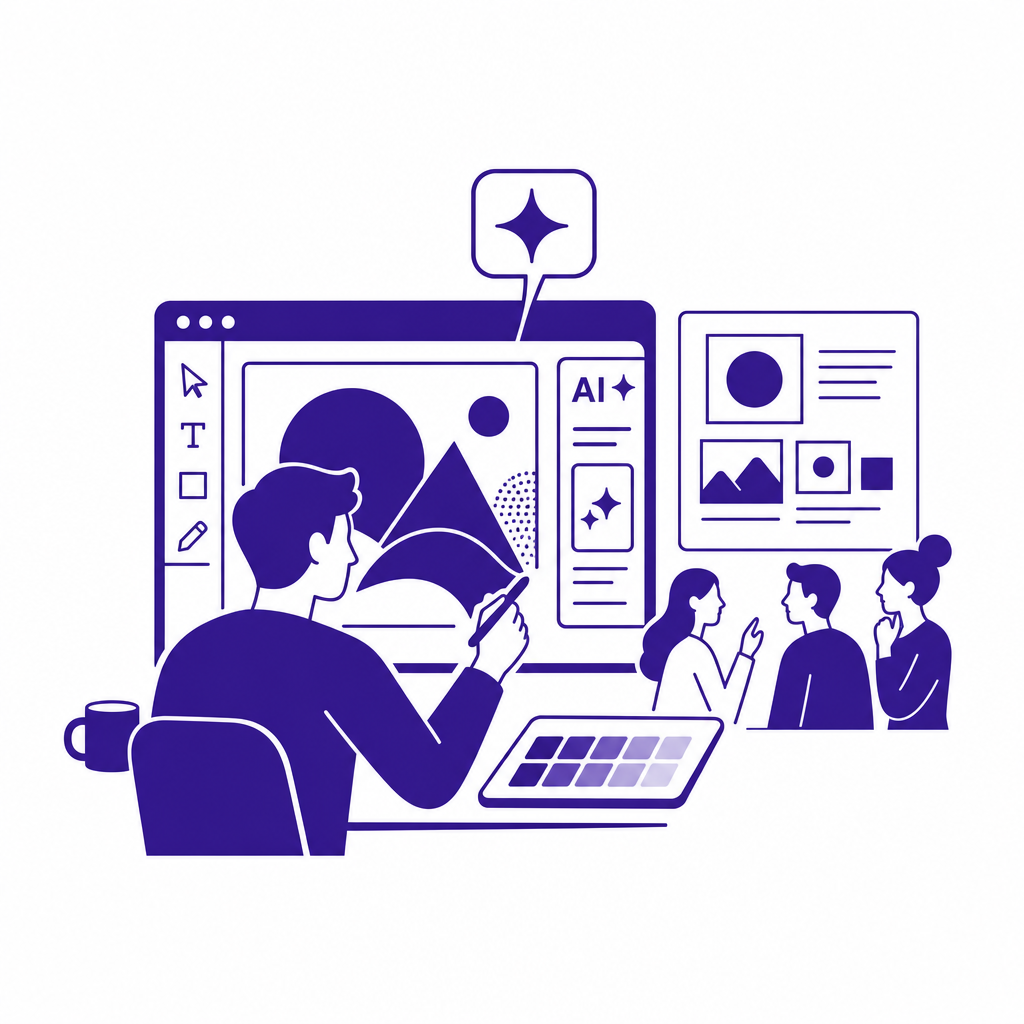
In the evolving landscape of creative design, prompt engineering has emerged as a transformative skill that marries creativity with advanced AI functionalities. This article explores the intersection of generative AI and design, highlighting how prompt engineering reshapes the roles of designers, marketers, and content creators in crafting compelling visuals.
Understanding Prompt Engineering
In the rapidly evolving landscape of creative design, generative AI technologies are reshaping how designers conceptualize, iterate, and execute their ideas. By leveraging AI, creatives can streamline their workflows, achieving unprecedented efficiency and scope in their projects. One notable player in this arena is Google’s prompt-to-design platform, a tool that epitomizes the shift towards AI-assisted creativity.
This platform allows users to input specific prompts, which AI then interprets to generate a rich array of visual content. The process transforms an abstract idea into tangible designs, enabling designers to explore diverse aesthetics without the extensive manual effort traditionally required. Features such as intuitive editing tools and real-time collaboration enhance the creative experience, allowing teams to iterate on designs seamlessly.
Moreover, AI tools are not merely supportive; they actively augment a designer’s capabilities. For instance, by analyzing vast datasets, these systems can suggest design trends, color palettes, or layout adjustments that a human might overlook. As designers become adept at harnessing these tools, the reliance on creative instinct will blend with tech-savviness, marking a new era in visual communication where innovation thrives on collaboration between human creativity and AI intelligence.
The Role of AI in Creative Design
As generative AI technologies advance, they are fundamentally transforming the landscape of creative design. Tools like Google’s prompt-to-design platform exemplify this shift, offering designers innovative ways to conceptualize and generate unique visual content. By leveraging sophisticated algorithms, these platforms enable users to input high-level concepts and receive tailored visual outputs, simplifying the creative cycle.
Notable features of these AI tools include intuitive interfaces that facilitate rapid iterations, allowing designers to refine their ideas quickly. The AI’s ability to analyze vast datasets also means it can suggest styles, color palettes, and layouts that align with current trends or user-specific needs.
This evolution in design tools promotes exploratory creativity. Designers are no longer constrained by their technical skills or software limitations; instead, they can focus on ideation and conceptualization while AI handles the execution. Moreover, this capability enhances collaboration across disciplines—marketers can contribute directly to the design process, fostering a more integrated approach to visual communication.
As generative AI continues to reshape workflows, it is essential to understand its role not merely as a tool for execution but as a catalyst for creative exploration and innovation.
Skill Development in the Age of AI
As the creative landscape proliferates with AI tools, designers, marketers, and content creators face the pressing need to adapt by developing essential skills that enhance their workflow. Understanding the operational mechanics of AI is paramount; a foundational grasp of how these technologies function empowers professionals to leverage them more effectively. This includes familiarizing oneself with the algorithms and data sets that fuel generative AI, which in turn fosters a more innovative approach to design challenges.
Mastering prompt creation becomes equally critical in this new paradigm. The ability to craft precise, effective prompts is an art form that directly influences the quality of AI-generated outputs. Designers must balance their technical skills with creativity by iterating upon prompts, analyzing responses, and refining queries to yield more relevant designs. This interplay is where traditional design intuition meets cutting-edge technology.
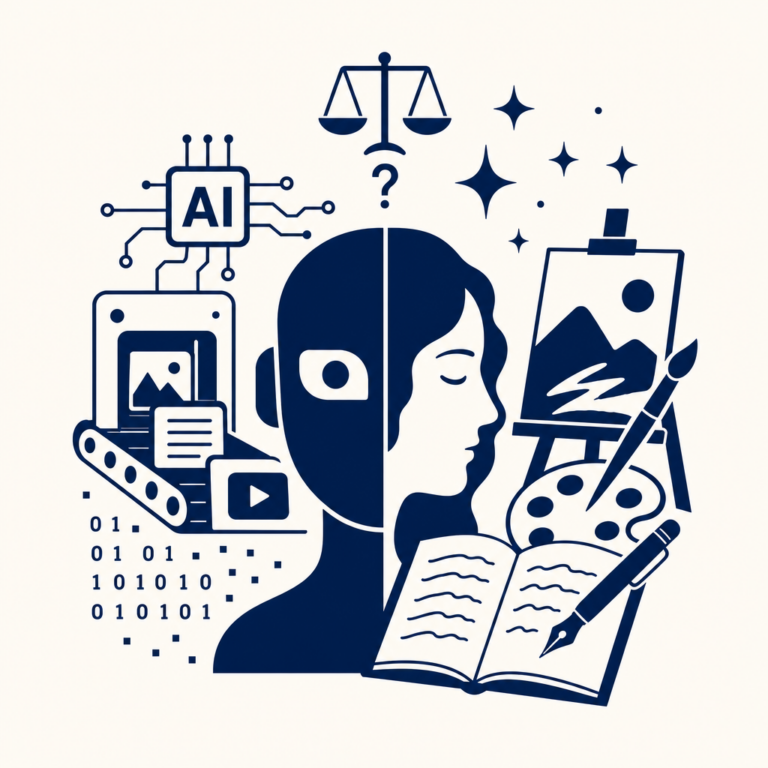
Despite the advantages of generative AI, maintaining artistic integrity remains a concern. Creators must navigate the fine line between utilizing AI tools to enhance creativity and preserving their unique vision. Developing a strong ethical rationale for using AI is vital, as it allows professionals to ensure that the integrity of their work is upheld, even in a rapidly evolving digital landscape.
Challenges in Adopting AI-Driven Design
As creatives integrate AI-driven design tools into their workflows, several challenges emerge that can hinder the process. A significant concern is the dependency on technology. Over-reliance on AI systems may diminish the importance of human intuition and creativity. When designers lean too heavily on AI for generating concepts, they risk a homogenization of ideas, undermining the uniqueness that human input traditionally provides.
Moreover, the potential loss of originality is alarming. While AI can produce innovative pieces, the nuances of human experience and emotion often remain absent from its outputs. This loss can lead to content that feels sterile or disconnected from the audience.
Critical thinking becomes more essential than ever as practitioners must evaluate AI-generated content for quality and relevance. Without the ability to discern which outputs align with their vision, designers may inadvertently produce work that lacks depth or authenticity.
To overcome these hurdles, creatives should foster a balanced relationship with technology by setting bounds on AI use. They can enhance their skills in prompt engineering to guide AI more effectively, infusing their distinctive styles into outputs while remaining critical of the results. Emphasizing collaboration between human insight and AI capabilities is vital for maintaining artistry in an increasingly automated landscape.
The Future of Visual Communication
As AI tools become increasingly embedded in the fabric of visual communication, the aesthetics and strategies of design are poised for a profound transformation. The integration of AI-driven generative processes is not merely about automation; it represents a shift in how we conceive creativity itself. Designers will find themselves collaborating with AI in ways that redefine traditional roles, freeing them to explore new visual languages and forms of expression.
With tools like Google’s prompt-to-design platform, the focus leans heavily on the ability to craft compelling prompts that guide AI in generating visuals tailored to specific brand identities or marketing goals. This prompts an exciting evolution in design aesthetics, where the collaborative nature of human and machine creativity can yield innovative, data-informed outcomes.
Brands leveraging these AI capabilities can create visually striking and emotionally resonant campaigns that engage audiences in unprecedented ways. The challenges lie in maintaining authenticity and ensuring that the core message aligns with audience expectations. As brands navigate this new landscape, they can use AI-powered insights for strategic messaging while ensuring their unique voice remains prevalent in the generated content. Emphasizing interactive and personalized experiences will be key in establishing lasting connections with consumers.
Redefining Creativity in the AI Era
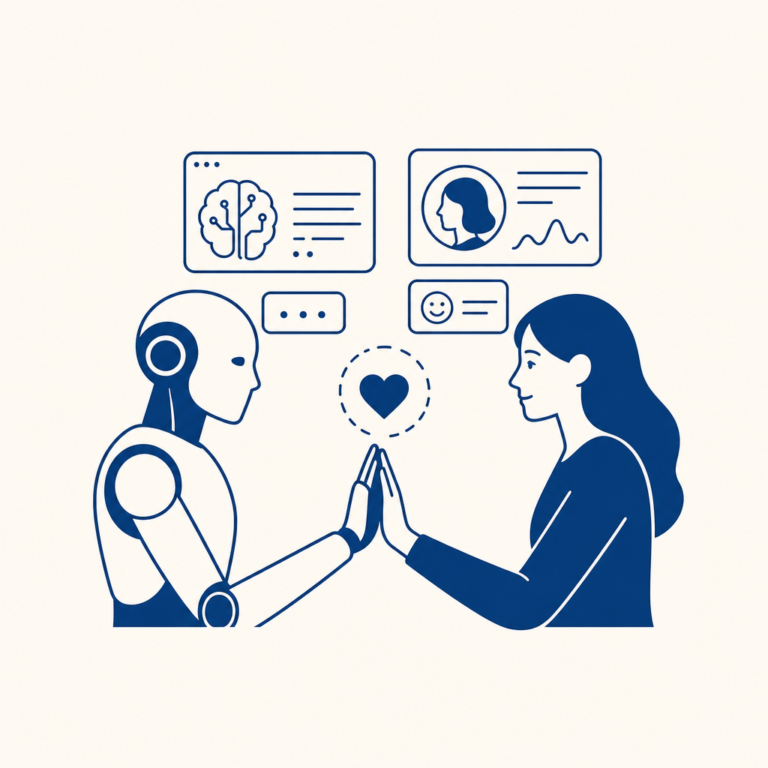
In an AI-dominated environment, the essence of creativity is undergoing a profound transformation. Designers now find themselves in a collaborative relationship with generative AI, where the potential for novel ideas emerges from the synergy between human intuition and machine intelligence. This shift challenges traditional notions of authorship and originality, as designers learn to articulate their creative vision through carefully crafted prompts.
The art of prompt engineering has taken center stage, demanding new skills that integrate technical knowledge with creative thinking. Designers must navigate the intricacies of AI capabilities, harnessing tools like Google’s prompt-to-design platform to facilitate a dialogue with algorithms that can generate diverse concepts. This fluid exchange allows creatives to transcend conventional boundaries, exploring imaginative territories that were previously unattainable.
Yet, amid this technological advancement, the importance of maintaining a personal touch in design cannot be overlooked. Human emotion, context, and cultural nuances remain irreplaceable elements of compelling visuals. By embracing prompt engineering, designers can amplify their own creativity, creating a unique blend of human and machine-generated artistry that opens doors to unprecedented possibilities in visual communication. In this evolving landscape, creativity is not diminished but redefined, promising a rich future for both designers and their audiences.
Conclusions
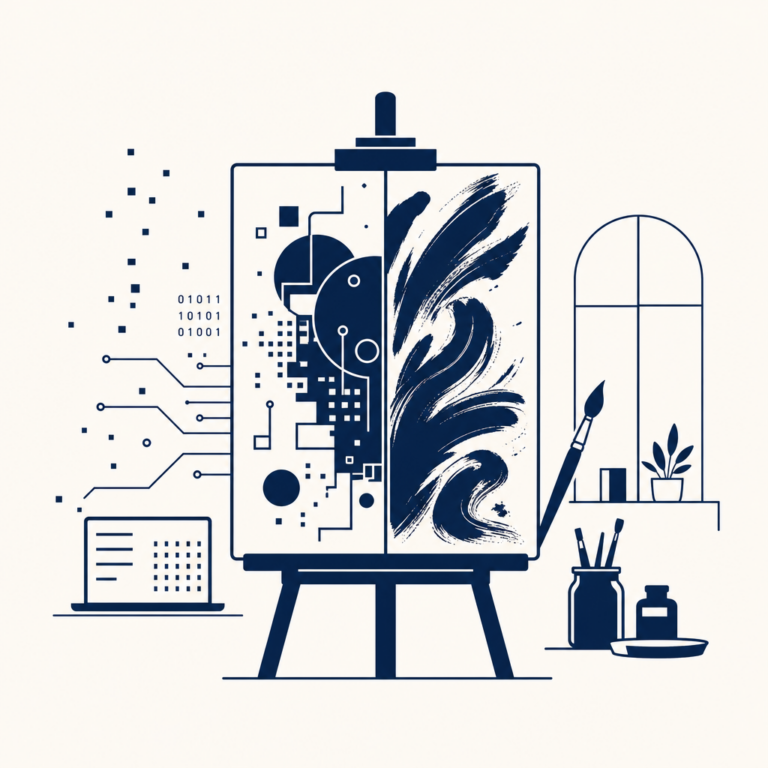
As we embrace the revolution brought by AI and prompt engineering, creative professionals must adapt and refine their skills to thrive in this new environment. The future of design will require a balance of traditional artistry and innovative technology, fostering an exciting space for creative expression that leverages the power of AI tools.