The AI-Powered Cyber Battlefield: Protecting Critical Infrastructure in an Era of Advanced Threats
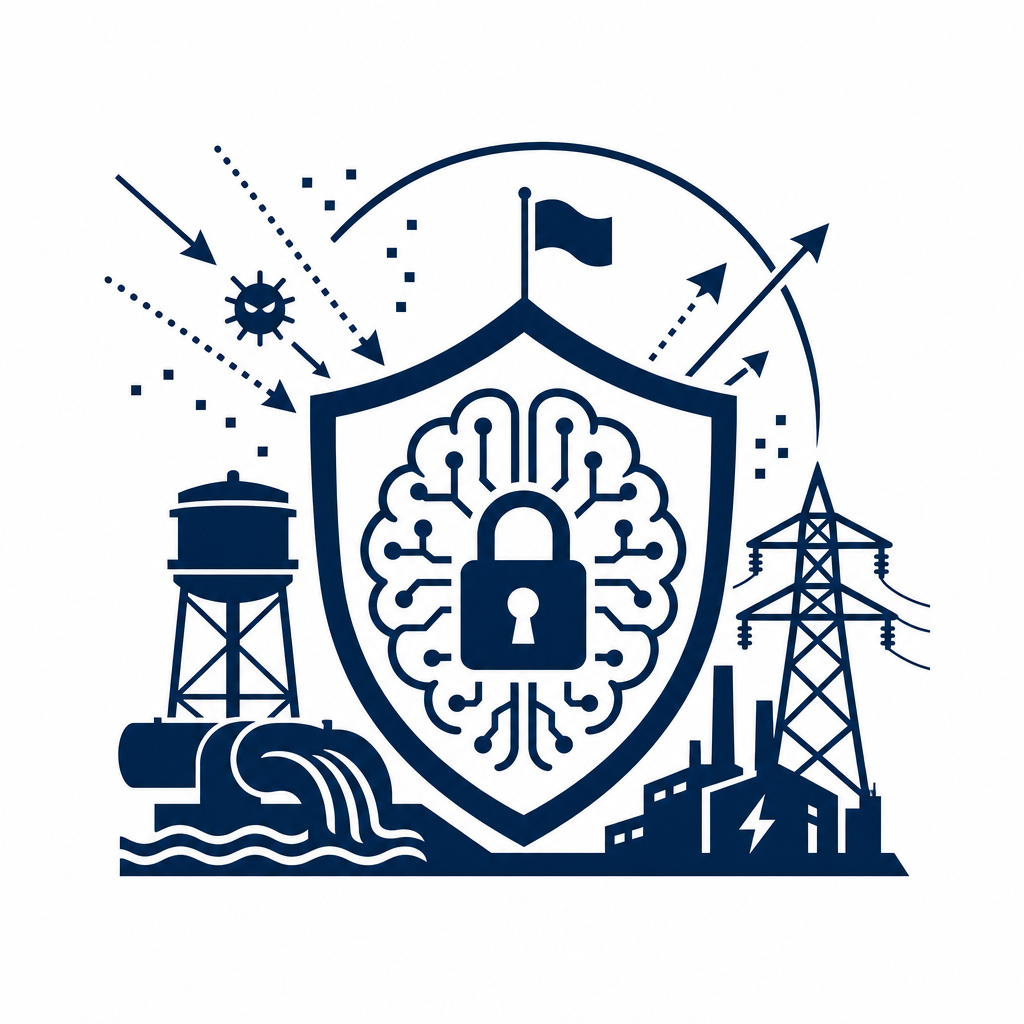
The integration of AI in cybersecurity has transformed the landscape of digital defense. As organizations face growing threats to critical infrastructure, understanding the dual role of AI as both a tool for defense and an enabler for attackers is crucial. This article examines the intricacies of this evolving battlefield and essential strategies for protection.
The Landscape of AI and Cybersecurity
In the rapidly evolving cyber battlefield, the advent of AI has empowered attackers with unprecedented capabilities. Unlike traditional cyber threats, AI-powered cyberattacks can leverage automation and machine learning to devise more sophisticated and adaptive strategies. For instance, automated phishing techniques utilize AI algorithms to tailor messages to specific targets, making them significantly more convincing and difficult to detect. This personalized approach increases the likelihood of success, as attackers can analyze vast amounts of data to identify trends in user behavior.
Moreover, AI-driven malware can autonomously evolve, employing techniques such as polymorphism to alter its code and evade detection by traditional antivirus solutions. This ability to adapt in real-time creates a persistent threat that challenges even the most advanced cybersecurity measures. The potential for rapid data breaches is amplified as AI can process and assimilate information at remarkable speeds, identifying vulnerabilities in critical infrastructure systems faster than human defenders can react.
Recent case studies, such as the AI-enhanced ransomware attacks targeting municipal services, underscore the far-reaching implications for national security and critical infrastructure. These incidents not only disrupt essential services but also pose severe risks to public safety, exhibiting the pressing need for a reevaluation of defense strategies against these evolving threats.
Evolving Threats: Understanding AI-Powered Cyberattacks
As cyber threats evolve, attackers increasingly leverage AI to orchestrate sophisticated cyberattacks. AI-powered techniques significantly enhance capabilities, allowing adversaries to innovate and automate malicious strategies. For instance, automated phishing attacks utilize machine learning algorithms to craft highly targeted spear-phishing emails, adapting their approach based on user behavior and language preferences, thereby increasing their likelihood of success.
AI-driven malware represents another formidable challenge. Such malware is designed to learn from its environment, making it adept at bypassing traditional security measures. By utilizing AI, these malicious programs can automate processes to infiltrate systems rapidly, leading to swift data breaches and widespread compromise of sensitive information.
Recent case studies exemplify the devastating implications of AI-driven attacks. The 2021 ransomware attack on a major U.S. pipeline not only disrupted fuel supply but highlighted vulnerabilities within critical infrastructure. Additionally, research indicates that AI-enhanced threat actors can execute complex attacks in a fraction of the time previously required.
The strategic implications for national security are profound, as these incidents underline the necessity for robust digital defenses against AI-powered threats. Defending critical infrastructure demands continued vigilance and innovative strategies to counteract the escalating risks posed by this advanced form of cyber warfare.
Critical Infrastructure: The Prime Target
As critical infrastructure sectors increasingly integrate digital technologies, their vulnerability to AI-powered cyber threats becomes more pronounced. Key sectors, such as utilities, transportation, and healthcare, are at the forefront of these vulnerabilities. Each sector’s disruption can lead to catastrophic outcomes, affecting not only individual operations but national security as a whole.
In the utilities sector, AI can manipulate power grids, causing widespread outages. Historical incidents, like the 2015 Ukrainian power grid attack, showcased how cyber adversaries exploited system weaknesses, leaving over 230,000 people without power. Similarly, the transportation sector, which relies heavily on AI for traffic management and logistics, presents ripe targets. A successful breach could paralyze urban transit systems or compromise the safety of autonomous vehicles, leading to significant economic losses and public safety hazards.
Healthcare systems, increasingly digitized for efficiency, hold sensitive patient data and essential operational protocols. Data breaches in this sector can result in identity theft or hinder emergency response capabilities, as seen during the WannaCry ransomware attack in 2017, which affected the UK’s National Health Service, disrupting patient care for thousands.
As these sectors become intricately linked through digital frameworks, the potential consequences of cyberattacks escalate. Statistically, over 60% of critical infrastructure organizations report experiencing at least one data breach yearly, illustrating the urgency for robust cybersecurity measures amid growing AI capabilities. The landscape is fraught with risks that could destabilize not just systems but the very fabric of national security.
Defensive Strategies in an AI-Driven World
As the cyber threat landscape evolves, strategic defenses against AI-powered attacks become paramount for protecting critical infrastructure. Organizations must adopt proactive measures such as **threat hunting**, which involves actively searching for potential vulnerabilities and ongoing breaches, rather than waiting for alerts. This method identifies latent threats before they can cause substantial harm, requiring skilled cybersecurity professionals equipped with advanced AI tools to analyze vast amounts of data and anticipate malicious patterns.
Equally important is **incident response planning**, which prepares teams to efficiently tackle breaches when they occur. This process incorporates simulated scenarios to ensure readiness, allowing agencies and organizations to minimize damage and restore services swiftly.
The integration of AI enhances defensive capabilities significantly. By employing machine learning algorithms, systems can learn from past incidents, improving detection rates and response times. Collaboration among **government agencies**, **private sectors**, and **international organizations** is crucial in bolstering these frameworks. Initiatives like **public-private partnerships** facilitate resource sharing, while international coalitions work to standardize regulations and share threat intelligence.
Ultimately, a unified response to the mounting sophistication of cyber warfare necessitates a cooperative approach, allowing for the adaptation of defenses against future AI-enhanced threats while safeguarding national security.
Ethics and Regulation in AI Cybersecurity
As the use of AI in cybersecurity becomes more prevalent, ethical considerations and regulatory frameworks must be prioritized to ensure responsible application, particularly when it comes to protecting critical infrastructure. The challenge lies in the balance between leveraging AI to enhance defensive capabilities and adhering to legal and ethical standards necessary for safeguard national interests.
AI’s dual-use nature raises concerns about data privacy, consent, and the potential for misuse in cyber warfare scenarios. The existing regulatory landscape lacks coherence, with provisions varying significantly across jurisdictions. Current regulations like the General Data Protection Regulation (GDPR) in Europe address data handling but do not adequately encompass AI’s capabilities in real-time threat detection and response. Proposed frameworks aim to bring more oversight, focusing on ethical AI use while empowering cybersecurity defenses against sophisticated attacks.
Establishing a clear governance model for AI in cybersecurity is crucial. This includes developing guidelines for ethical AI usage, encouraging transparency in algorithms, and promoting accountability in automated decision-making processes. Engaging stakeholders in both the public and private sectors will be essential in crafting effective regulations that protect individual rights without compromising national security. Ultimately, a proactive and collaborative approach to AI regulation can foster innovation while safeguarding critical infrastructure from emerging AI-powered threats.
The Future of Cyber Warfare and AI
As AI technology advances, the future of cyber warfare is being reshaped in unprecedented ways. Emerging AI capabilities promise to revolutionize both offensive and defensive tactics, resulting in a complex landscape where algorithms become the front line in digital conflict. **AI-powered attacks will likely become more sophisticated**, employing machine learning to identify vulnerabilities in critical infrastructure networks—from energy grids to transportation systems—at an alarming speed. This predictive capability can lead to data breaches that threaten national security, as well as the integrity of essential services.
On the defensive side, AI must evolve to counteract these threats through enhanced digital defense strategies. Machine learning algorithms equipped with real-time threat detection and incident response can improve resilience against evolving attacks. However, as defenders leverage advanced systems, the risk of over-reliance on AI becomes a concern, suggesting the necessity for human oversight in maintaining robust cybersecurity.
Moreover, regulatory measures must adapt to the shifting dynamics of AI in cyber warfare. Continuous **research and collaboration** among governments, private sectors, and academia will be crucial to understand evolving threats fully. This collective effort will help develop coherent frameworks that address the implications of AI’s dual-use nature while ensuring that critical infrastructures remain fortified against potential adversarial exploitation.
Conclusions
In conclusion, the intersection of AI and cybersecurity presents both unprecedented challenges and opportunities. As threats evolve, organizations must be proactive in leveraging AI for defense while addressing the vulnerabilities it introduces. Strengthened collaboration and regulatory measures are essential to safeguard critical infrastructure against the looming threat of AI-powered cyberattacks.