The Rise of Personal AI Agents – Navigating the Future of Digital Interaction
As personal AI agents rapidly advance, they are reshaping our daily interactions with technology. This article investigates the transformative role of these agents in enhancing productivity, streamlining tasks, and introducing new challenges in privacy and security. We will explore various applications, including messaging, virtual try-ons, and integrated gadgets, shedding light on the future of digital interaction.
Understanding Personal AI Agents
Personal AI agents are sophisticated software systems designed to assist users in completing daily tasks and enhancing productivity through interaction and automation. These agents leverage machine learning and natural language processing (NLP) to understand and respond to user queries, enabling more intuitive and human-like communication. By processing vast amounts of data, AI agents continuously learn from user behavior, preferences, and feedback, allowing them to offer personalized recommendations and assistance.
The historical development of personal AI agents can be traced back to early chatbot models like ELIZA in the 1960s, which paved the way for more complex interactions. Milestones such as the introduction of Apple’s Siri in 2011 marked a significant leap in the practical use of AI in everyday life, followed by Google Assistant and Amazon’s Alexa, each introducing advanced functionalities and integration capabilities. Current trends in AI technology, including advancements in deep learning and the proliferation of cloud computing, have further accelerated the evolution of these agents. Today, personal AI agents not only streamline tasks but also learn from continuous interaction, becoming more attuned to individual user needs and preferences, which sets the stage for future technological innovations in digital interaction.
Transformative Applications of AI Agents
Personal AI agents are rapidly proliferating across diverse applications, revolutionizing user interaction and offering unprecedented convenience. In customer service, for example, AI-driven chatbots on messaging platforms provide instant responses, effectively engaging users and resolving issues in real time. These agents can understand context and intent, making customer interactions smoother and more effective, thereby enhancing user satisfaction.
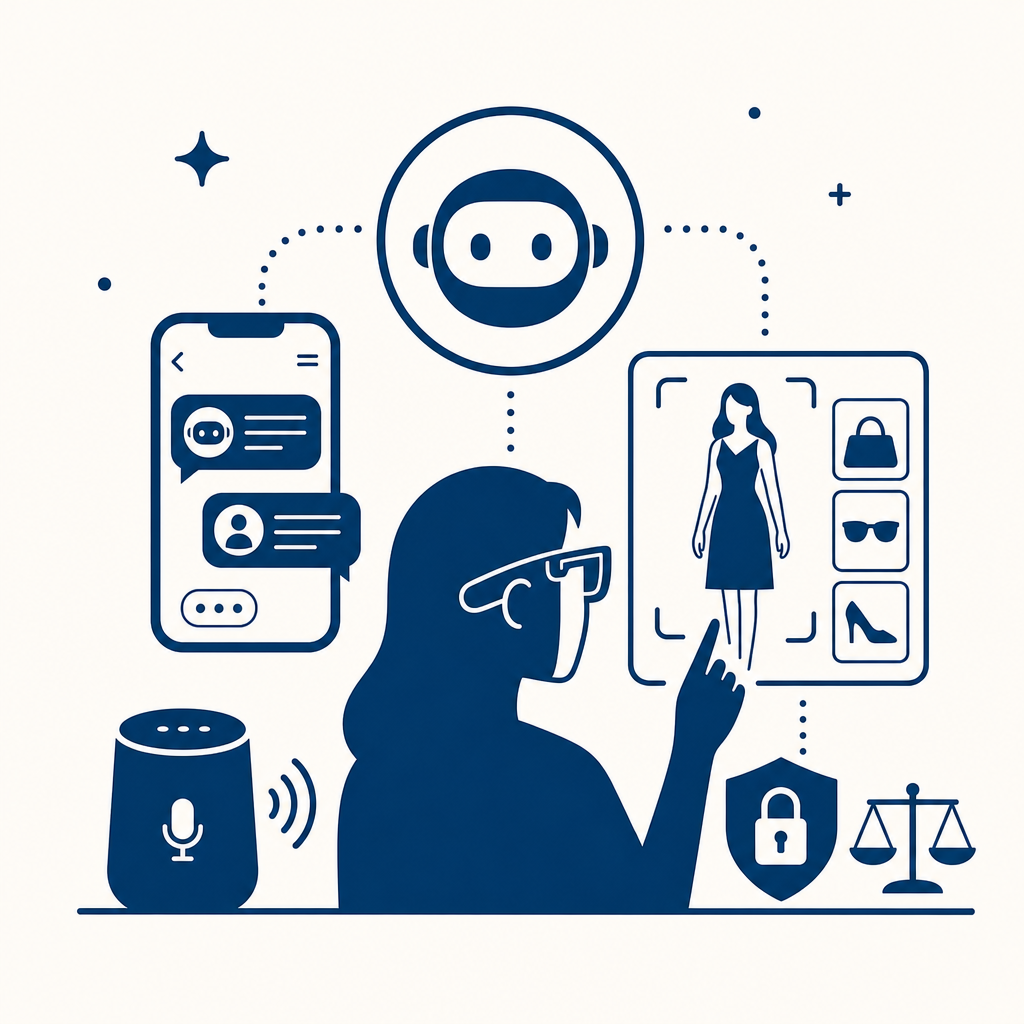
In the retail sector, virtual try-on technologies signify another transformative application. Retailers are leveraging AI to enable customers to visualize products on themselves before purchase, bridging the gap between online and in-store shopping experiences. For instance, fashion brands have incorporated augmented reality that allows users to “try on” clothing or accessories via their devices, driving engagement and reducing return rates.
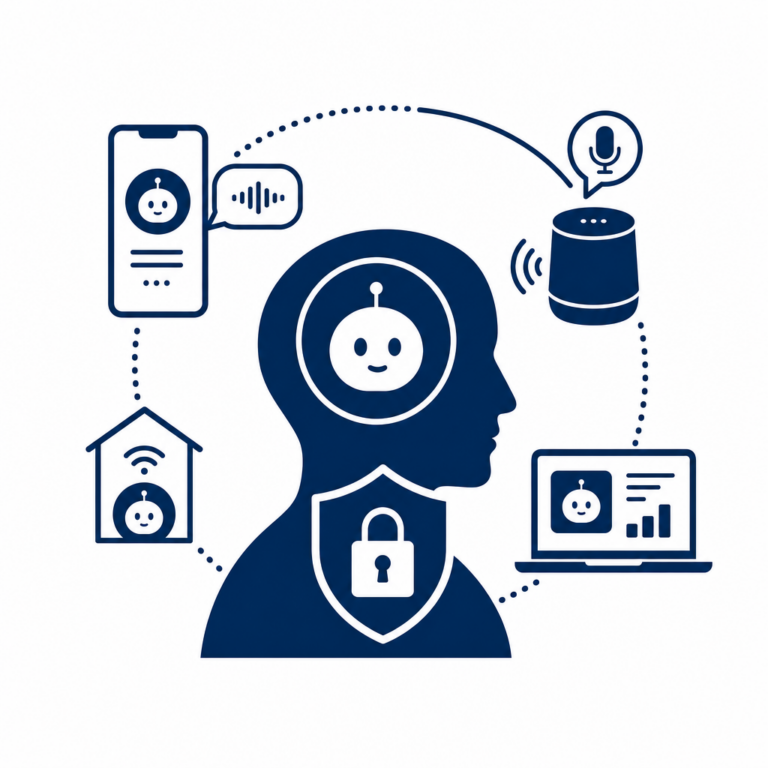
Additionally, the integration of personal AI agents with smart home devices exemplifies their impact on daily convenience. These agents can control lighting, temperature, and even security systems based on user preferences and routines. By recognizing common patterns, they streamline daily tasks, making life simpler and more efficient. However, while these advancements enhance user experience, they also raise significant concerns regarding privacy and security, highlighting the need for responsible AI deployment in the future.
Enhancing Productivity Through AI Integration
Personal AI agents are revolutionizing productivity in both professional and personal spheres by streamlining tasks and automating routine responsibilities. These intelligent assistants handle calendar management with remarkable precision, helping users organize their schedules and reminding them of important deadlines. For example, the integration of AI-driven tools, like those found in Microsoft Outlook and Google Calendar, allows individuals to allocate time effectively, reducing scheduling conflicts through smart suggestions.
In workplace environments, companies like Slack and Asana have embedded AI agents that prioritize tasks based on project deadlines and individual workloads, ensuring that team members focus on what matters most. This highlights how automation of repetitive tasks not only saves time but also enhances efficiency. Additionally, personal AI assistants provide tailored recommendations that adjust according to user habits, driving better decision-making.
Individuals also benefit from smart personal assistant apps like Todoist and Notion, which utilize AI to enhance daily task lists and manage personal projects seamlessly. These applications allow users to prioritize and delegate tasks effectively, transforming how both businesses and personal users interact with technology. As these AI integrations continue to evolve, they are changing the landscape of productivity, making efficiency a hallmark of modern digital interaction.
Privacy Concerns in an AI-Driven World
The emergence of personal AI agents introduces an array of privacy challenges that warrant serious consideration. These sophisticated tools collect vast amounts of user data to provide tailored experiences—tracking habits, preferences, and even sensitive information. While the promise of personalization is appealing, the mechanisms for data collection, storage, and usage raise significant privacy concerns.
Personal AI agents often require continuous access to user data to function effectively, which can lead to potential vulnerabilities. Industry experts highlight the risks of data breaches and unauthorized access, where sensitive information might be exploited by malicious entities. Alarmingly, many users remain unaware of how extensively their data is being utilized or shared, prompting discussions about the necessity for explicit user consent and transparency in AI practices.
Tech circles are increasingly debating strategies to address these privacy issues, advocating for stricter regulations and guidelines on data access. Companies are urged to adopt a responsibility-first approach, prioritizing user security while maintaining the effectiveness of their AI applications. As personal AI agents proliferate, navigating these privacy landscapes becomes paramount to ensure that user trust is not only gained but also retained.
Ethical Considerations in AI Use
The deployment of personal AI agents raises crucial ethical considerations that cannot be overlooked, especially as they become integral to daily digital interactions. The balance between enhancing user experience and safeguarding privacy is a fine line that requires careful navigation. While personalized AI can streamline tasks and increase productivity, it often means that sensitive data is collected, stored, and analyzed, potentially leading to misuse.
Bias in AI algorithms represents another pressing ethical concern. As these systems learn from large datasets, they may inadvertently perpetuate existing biases, leading to unequal treatment of users based on race, gender, or socioeconomic status. This underlines the necessity for ethical AI design, where inclusivity and fairness are prioritized in the development phase.
The societal impacts of widespread AI integration also deserve scrutiny. Increasing reliance on personal AI could diminish human agency and critical thinking, as users may become overly dependent on automated systems for decision-making. As developers and companies iterate on these technologies, a commitment to ethical standards is imperative. Stakeholders must promote transparency, ensuring users understand how their data is utilized and empowering them to make informed choices about their digital interactions.
Future Trends in Personal AI Development
As personal AI agents continue to evolve, several key trends are shaping their future development. One significant advancement is the move toward *increased personalization*, where AI agents will leverage sophisticated algorithms to better understand user preferences and behaviors. This level of customization promises to enhance user experience by providing more relevant recommendations and tailored interactions.
Improved *human-AI interaction* is another vital trend, driven by advancements in natural language processing and machine learning. As AI becomes more adept at understanding context and emotion, personal assistants will engage users in more meaningful conversations, enabling a seamless exchange of information and assistance. This development is likely to involve *multimodal interactions*, incorporating voice, text, and visual elements that adapt to the user’s preferred methods of communication.
Regulatory developments in AI will play a crucial role in shaping user expectations and the overall digital landscape. As governments and organizations begin to establish guidelines around *AI privacy* and *security*, users will call for greater transparency regarding how their data is handled. Compliance with these regulations will not only enhance trust but will spur innovation as companies strive to differentiate themselves in a competitive market.
Ultimately, the combination of advanced personalization, enriched interaction, and regulatory awareness will redefine how users engage with their digital environments, paving the way for a future where personal AI agents are integral partners in daily life.
Conclusions
The evolution of personal AI agents signifies a profound change in how we interact with technology. While these advancements enhance efficiency and user experience, they also raise critical concerns about privacy and security. As we move forward, a balanced approach integrating innovation with ethical considerations will be essential for harnessing the benefits of AI while safeguarding personal data.