
The AI-Powered Stadium Redefining Sports Fan Engagement and Performance
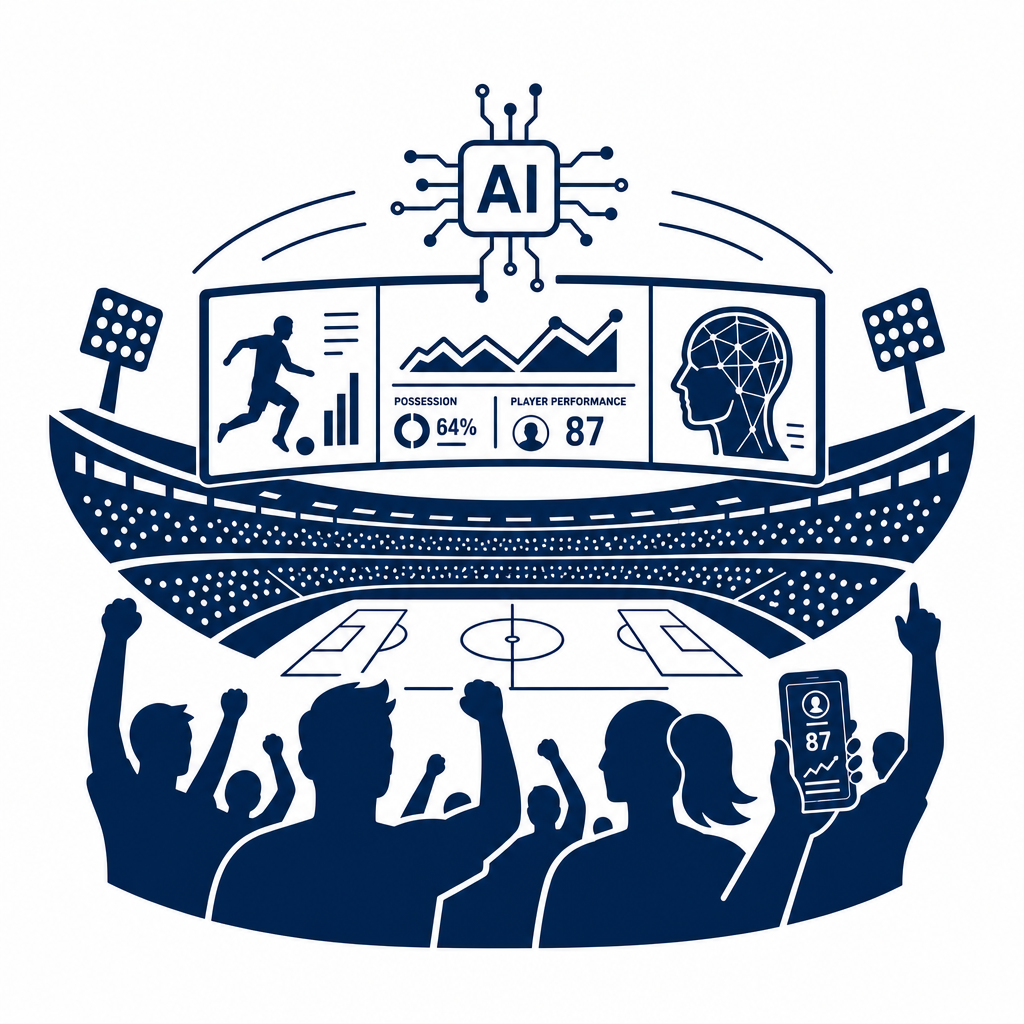
The landscape of professional sports is undergoing a seismic shift with the integration of artificial intelligence. No longer a mere tool, AI is at the core of enhancing fan engagement and optimizing team performance. This article delves into the multifaceted role of AI, exploring its applications in analytics, fan experiences, marketing strategies, and more.
The Rise of AI in Sports
The surge of artificial intelligence into the realm of sports has drastically altered the landscape of player analytics and strategic team management. Today, AI-driven analytics are indispensable, harnessing intricate data through various tools such as wearables and advanced video analysis systems. These technologies collect and interpret data in real-time, granting coaches and analysts unparalleled insights into player performance and health metrics.
In the past, player evaluations relied heavily on subjective assessments and basic statistics. However, the introduction of machine learning models has enabled teams to predict future performance with remarkable accuracy. By analyzing vast datasets that encompass everything from movement patterns to game situational behaviors, these models can identify trends and correlations that would be nearly impossible for humans to discern. Such predictive analytics are not only reshaping coaching decisions but also informing personalized training regimens tailored to individual athletes’ unique profiles.
Moreover, innovative tools that monitor biometrics, fatigue levels, and injury risks serve as critical elements in determining player readiness for competition. This transformation in player evaluation is emblematic of how digital innovation reverberates through preparation and performance, setting the stage for a new era in sports where informed, data-driven decisions reign supreme.
Revolutionizing Player Analytics
As AI technology continues to evolve, its role in revolutionizing player analytics is becoming increasingly pivotal. Utilizing advanced tools such as wearables and video analytics, teams can gather real-time data on player performance with unprecedented accuracy. Wearable devices track metrics like heart rate, speed, and fatigue levels, providing a comprehensive overview of an athlete’s physical condition during training and games. Coupled with video analytics, which breaks down game footage to assess movements and techniques, teams can derive actionable insights that were once unimaginable.
Machine learning models have emerged as game-changers, able to predict player performance and injury risks by analyzing vast datasets encompassing past performances, training loads, and biomechanical factors. This predictive capability allows coaching staff to tailor training regimens specific to each athlete, minimizing the risk of injuries while maximizing performance. For instance, identifying patterns that precede injuries enables proactive adjustments in training schedules.
Moreover, these insights influence strategic decision-making during games, empowering coaches to make data-informed choices regarding player substitutions and tactics. As such, AI-driven analytics are not just transforming how players are evaluated but fundamentally altering the strategic landscape of professional sports. This evolution underscores the increasingly symbiotic relationship between technology and athletic performance.
Crafting Hyper-Personalized Fan Experiences
As artificial intelligence permeates the realm of sports, hyper-personalized fan experiences are emerging as a game-changer in audience engagement. AI offers a dynamic approach to tailoring content that resonates with individual preferences, transforming how fans experience events, whether in-stadium or remotely. Through AI chatbots integrated into team mobile apps, fans gain instant access to information ranging from game stats to player insights, all while receiving personalized interactions that enhance their connection to the team.
Smart stadium technology plays a pivotal role, utilizing data analytics to personalize in-stadium interactions. For instance, through mobile applications, fans can receive tailored dining suggestions based on their tastes, exclusive offers for merchandise, or even notifications about events happening nearby in the venue. This creates a seamless experience, ensuring that spectators feel valued and engaged throughout the event.
Moreover, predictive AI algorithms analyze fan behavior, enabling teams to curate experiences and communication strategies that enrich fan loyalty and engagement. By leveraging data responsibly, organizations can build a deeper relationship with their audience, ensuring that every game-day feels unique and memorable. As the bar for fan expectations rises, the integration of AI into the sporting landscape signifies a pivotal move towards the future of sports engagement.
Immersive Broadcast Experiences
The impact of AI on broadcasting is revolutionizing how fans consume sports, fostering an unprecedented level of engagement and interactivity. Enhanced by innovations such as augmented reality (AR), predictive graphics, and AI-driven commentary, the viewing experience transitions from passive to immersive. Fans can now enjoy augmented overlays that enrich live action, displaying player stats, live game analytics, and even player health metrics in real-time.
Predictive graphics, powered by AI algorithms, analyze ongoing game conditions to offer forecasts and strategic insights, allowing viewers to anticipate potential game-changing moments. These innovations create a richer narrative, transforming traditional broadcasts into dynamic storytelling experiences, where context and excitement drive viewer engagement.
Moreover, AI facilitates personalized viewing angles, enabling fans to select their preferred perspective—be it a sideline view or aerial drones capturing the action from above. This customization caters to individual preferences, making spectators feel closer to the action, whether at home or in the stadium.
Additionally, AI-powered content summaries and highlights can serve tailored clips to fans based on their interests, effectively eliminating the need for lengthy recaps and thus amplifying overall engagement. As sports broadcasting continues to evolve, the integration of AI ensures that fans enjoy a more interconnected, engaging, and personalized viewing experience, enriching the sports culture significantly.
Navigating Ethical Challenges
As AI assumes a central role in sports analytics and fan engagement, it brings forth significant ethical challenges, particularly concerning data collection and privacy. The extensive gathering of player and fan data raises concerns about individual rights and the potential misuse of sensitive information. Fans willingly share personal preferences and behaviors in pursuit of a more tailored experience; however, this data, if mishandled or inadequately protected, can lead to breaches of privacy.
Moreover, the algorithms driving AI are not immune to biases that can skew analytics and decision-making processes, affecting both fan experiences and player evaluations. Such biases can perpetuate stereotypes or lead to unfair advantages in player selections and strategies, undermining the integrity of the sport. The sports industry must prioritize transparency and ethics in how player and fan data is utilized.
To mitigate these risks, regulatory measures are essential. Establishing clear data privacy laws and guidelines can protect individual rights without stifling innovation. By fostering a responsible approach to data use, the sports sector can maximize the benefits of AI analytics while maintaining the trust of players and fans alike. This balance is crucial as we journey into a future where AI becomes integral to every aspect of the sporting landscape.
The Future of AI in Sports and Entertainment
As we look towards the future of AI in sports and entertainment, the implications for marketing and content creation are profound and far-reaching. Emerging technologies, such as machine learning and natural language processing, are set to redefine how organizations develop creative content and engage with fans. Imagine marketing campaigns that utilize AI algorithms to analyze fan behavior in real-time, tailoring advertisements and promotions to individual preferences. This hyper-personalized approach not only fosters a deeper connection with fans but also enhances the effectiveness of marketing strategies, driving engagement and revenue.
Additionally, augmented reality (AR) and virtual reality (VR) technologies powered by AI will likely transform live sports experiences. Fans could partake in immersive experiences from the comfort of their homes, engaging with content that feels like they’re inside the stadium. This technology could supercharge live broadcasts with real-time analytics and insights, providing deeper narratives beyond what’s visible on the field.
However, with these advancements come responsibilities. The focus on sustainable and ethical use of AI must guide these developments, ensuring they benefit all stakeholders and respect privacy concerns. Balancing innovation with responsibility will be crucial as sports organizations navigate this exciting, yet challenging, landscape.
Conclusions
As AI continues to evolve, its impact on sports will only become more profound. From personalized fan engagement to revolutionary player insights and ethical considerations surrounding data privacy, the future of sports is inextricably linked to AI. Embracing these advancements will pave the way for a more dynamic and inclusive sporting experience.