The Democratization of AI: Empowering Non-Technical Users and Everyday Applications
The landscape of artificial intelligence (AI) is rapidly evolving, becoming accessible to everyone, from seasoned professionals to everyday users. This article explores the technologies that enable non-technical individuals to harness the power of AI, including low-code and no-code solutions, consumer applications, and their implications on innovation and society.
Understanding AI Accessibility
AI accessibility refers to the ability of individuals and organizations, regardless of their technical expertise, to access, utilize, and benefit from artificial intelligence technologies. In the past, AI was predominantly the domain of data scientists and software engineers, who navigated complex algorithms and programming languages. This restricted entry meant that businesses without specialized teams often missed out on the advantages AI could provide, leaving a significant gap in understanding and innovation. Key barriers included not only the technical knowledge required but also high costs associated with AI solution development and deployment.
As society becomes increasingly digitized, the importance of AI accessibility cannot be overstated. The democratization of AI is empowering non-technical users, breaking down the silos that once separated technical expertise from everyday applications. This shift is vital as it helps foster inclusivity—people from various backgrounds can now harness AI tools to solve problems, optimize workflows, and make informed decisions. By making AI capabilities available to individuals and small businesses, we are not merely enhancing workflows but sparking a wave of creativity and innovation that has the potential to transform industries and improve quality of life.
The Rise of Low-Code and No-Code Platforms
The rise of low-code and no-code platforms marks a significant milestone in the democratization of AI, enabling individuals without programming skills to harness the power of artificial intelligence. These platforms, such as Bubble and AppSheet, empower users to create applications and integrate complex AI functionalities quickly and intuitively. With drag-and-drop interfaces and user-friendly design, these tools allow anyone to build custom solutions without needing extensive technical backgrounds.
Low-code platforms provide a balance between technical control and ease of use, catering to those who may have some familiarity with programming but aren’t experts. This encourages a wider range of professionals, from marketers to educators, to leverage AI for their specific needs. In contrast, no-code platforms eliminate the need for coding altogether, ensuring that even the most technologically challenged can innovate and solve problems with AI solutions.
The seamless integration of AI capabilities into these platforms enhances their utility. Users can easily apply machine learning models, natural language processing, and data analytics, transforming their ideas into fully functional applications. As these low-code and no-code solutions proliferate, individuals and businesses increasingly access tools that streamline workflows, enhance decision-making, and foster creativity, fundamentally shifting the landscape of technology interaction.
Consumer AI: A New Era of Interaction
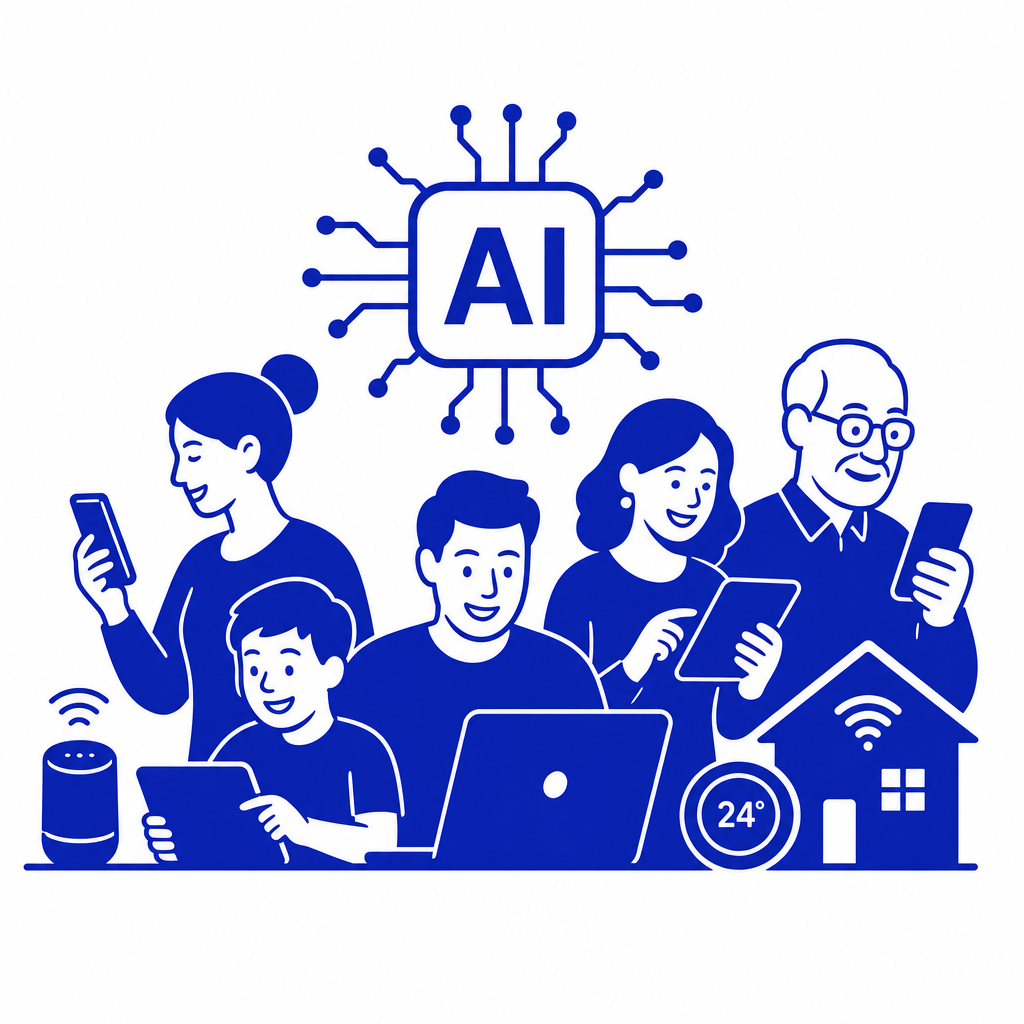
AI’s integration into consumer devices and services marks a significant evolution in how individuals interact with technology. Virtual assistants like Siri, Alexa, and Google Assistant have become commonplace, managing tasks such as setting reminders, playing music, and controlling smart home devices with simple voice commands. This immediacy gives users enhanced productivity, allowing them to multitask efficiently during their daily routines.
Smart home technology, powered by AI, has revolutionized household management. Devices such as smart thermostats learn from user behaviors, optimizing energy consumption while providing comfort. AI-driven applications, including personal finance managers and health monitoring apps, assist consumers in making informed decisions based on data analysis and predictive algorithms. These tools require minimal technical knowledge, thus democratizing access to sophisticated analytics and capabilities.
The overarching theme of consumer AI is its seamless integration into everyday life, transforming mundane tasks into experiences of convenience and efficiency. As AI continues to evolve, it becomes an essential partner for the average user, streamlining experiences and enhancing overall quality of life, paving the way for increased adoption across demographics.
Transforming Workspaces with AI Tools
AI tools are fundamentally reshaping workplace dynamics, enhancing communication, automating repetitive tasks, and facilitating data-driven decision-making. This transformation is particularly significant for non-technical users who can leverage AI to amplify their productivity and creativity without delving into complex coding or technical jargon. Tools such as natural language processing applications streamline internal communication by summarizing meetings or generating reports, allowing employees to focus on high-value tasks rather than administrative duties.
Low-code and no-code AI platforms empower users to customize their workflows, developing tailored solutions that address unique business challenges. For example, a sales team can utilize AI agents to analyze customer data and generate predictive insights, enabling team members to make informed decisions without needing in-depth analytical skills. Furthermore, automation tools can manage everything from scheduling appointments to processing customer inquiries, significantly reducing response times and freeing up human resources for more strategic initiatives.
The implementation of AI-driven tools not only boosts efficiency but also fosters a culture of innovation, as employees are encouraged to experiment and devise solutions that optimize their roles. By democratizing access to cutting-edge technology, organizations are harnessing the full potential of their workforce, transforming the traditional workplace into a hub of creativity and agility.
Innovative Applications Across Sectors
The democratization of AI is revolutionizing various sectors, allowing non-technical users to harness its capabilities for innovative applications. In education, for instance, teachers are employing AI-driven platforms to personalize learning experiences. A notable case is that of a small school district that implemented a no-code AI tool to analyze student performance data, enabling educators to tailor their approaches effectively, leading to improved student outcomes.
In healthcare, AI solutions are transforming patient care. A local clinic utilized low-code AI to develop a symptom-checker chatbot, empowering patients to receive preliminary advice before visiting a doctor. This innovation not only streamlined patient intake but also enhanced the overall satisfaction of both patients and healthcare professionals.
Marketing has also seen significant advancements. A small business owner leveraged no-code AI tools to automate customer segmentation and personalize campaigns, resulting in increased engagement and higher conversion rates. Such examples illuminate the vast potential of democratized AI, underscoring how everyday users can drive change and efficiency across diverse sectors. These applications highlight the opportunities for innovation that arise when technology becomes accessible to all, paving the way for a more inclusive digital landscape.
Challenges and Considerations for Widespread AI Adoption
While the democratization of AI presents remarkable opportunities for innovation, it also introduces a set of significant challenges that must be navigated thoughtfully. One of the foremost concerns is the ethical implications surrounding AI use. With user-friendly AI tools becoming pervasive, there is a heightened risk of misapplication. For instance, non-technical users may inadvertently create biased or inaccurate AI models that can perpetuate existing inequalities. Thus, fostering awareness of ethical AI principles among users is essential.
Additionally, data privacy issues become more complex as AI technologies integrate deeply into consumer services and personal devices. The vast quantities of data necessary for AI training often contain sensitive information. Therefore, educating users about data protection and the importance of responsible data usage is crucial for mitigating potential risks.
Moreover, the potential for misuse cannot be overlooked. As access to AI tools broadens, the likelihood of individuals employing these technologies for malicious purposes increases. Consequently, developing robust safeguards and monitoring mechanisms is vital to mitigate these risks. Ensuring that democratized AI tools are applied responsibly is essential to embracing their benefits while protecting user trust and safety.
Conclusions
The democratization of AI is paving the way for unprecedented accessibility and opportunities for innovation. While challenges exist, particularly around ethics and usability, the emergence of user-friendly AI tools empowers everyone to engage with technology, thereby fostering creativity and efficiency across various sectors. Embracing this change could transform our daily lives and work environments for the better.