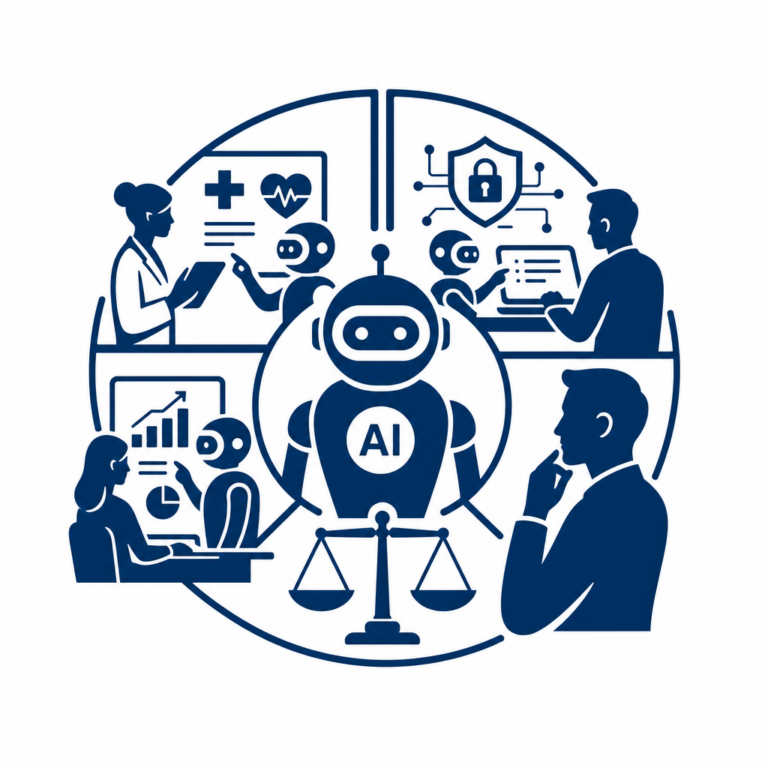
Building Trust in the AI Era Beyond Innovation Towards Accountable Automation

In an era where artificial intelligence is reshaping industries and daily life, establishing trust has become paramount. This article delves into the essential components of accountable automation, examining how organizations can foster ethical standards, enhance security, and ensure transparency, thereby promoting user confidence amidst the rapid advancement of AI technologies.
Understanding AI Trust
AI safety is an essential component in cultivating trust within artificial intelligence systems. As reliance on AI technologies grows, understanding and mitigating associated risks becomes paramount. Potential hazards, including algorithmic biases, data breaches, and unintended outcomes, underscore the importance of prioritizing safety measures. For instance, biased algorithms can lead to unfair treatment in sectors like hiring, resulting in detrimental impacts on marginalized groups. A high-profile case involved a recruitment tool that demonstrated gender bias, diminishing trust in automated hiring processes.
To enhance AI safety, businesses should adopt proactive strategies such as rigorous testing protocols, continuous monitoring, and transparency in data usage. Establishing clear ethical guidelines and safety standards can help create a framework for responsible AI deployment. For example, the adoption of the European Union’s AI Act is aimed at ensuring that AI applications remain within safe and ethical boundaries. Implementing robust data privacy measures and establishing accountability mechanisms further fortify user trust.
As companies navigate the complexities of AI development, prioritizing safety not only protects users but also fosters a culture of responsible innovation that aligns with ethical standards and enhances overall societal confidence in AI technologies.
The Importance of AI Safety
In the pursuit of building trust, the concept of AI safety plays a pivotal role. Ensuring safety in AI systems is not merely about protection; it is about instilling confidence in both users and stakeholders that these technologies will function as intended without causing harm. Potential hazards associated with AI systems include biases residing within algorithms, which can result in discriminatory practices, as well as data leaks that compromise sensitive information.
Furthermore, unintended consequences can arise from poorly designed AI systems, leading to a misalignment between user expectations and actual outcomes. For instance, a facial recognition system that misidentifies individuals has raised serious concerns regarding equity and privacy. To minimize these risks, businesses should adopt robust safety measures, such as rigorous testing to identify biases, implementing encryption to safeguard data, and conducting regular audits of AI systems for accountability.
Guidelines should also emphasize the importance of diverse datasets and inclusive algorithm design to mitigate bias. Case studies, such as those involving automated hiring tools that inadvertently favor certain demographics, highlight the necessity of prioritizing safety in AI design, ensuring that systems not only innovate but also uphold ethical standards and user trust.
Navigating AI Governance
As organizations increasingly embrace AI technologies, establishing robust frameworks for AI governance has become essential. Companies must prioritize not only innovation but also accountability, ensuring that their AI systems operate with legal, ethical, and operational integrity. Comprehensive regulations are essential to foster trust and transparency in AI development and deployment, outlining expectations for data usage, algorithmic fairness, and user implications.
Currently, various initiatives and organizations are emerging to establish AI governance standards. The European Union’s AI Act is one such example, setting the groundwork for a regulated ecosystem that mandates transparency and responsibility. Similarly, organizations like the Partnership on AI advocate for best practices in AI safety and ethics.
To align with these frameworks, businesses should implement internal governance structures that promote responsible AI innovation. This includes regular audits of AI systems for compliance with established norms, involving cross-functional teams to address ethical concerns, and embracing participatory design frameworks that consider stakeholder perspectives. Engaging in these practices will not only mitigate risks associated with AI automation but also cultivate stakeholder confidence in increasingly automated landscapes.
Promoting Ethical AI Practices
Promoting ethical AI practices requires a holistic understanding of the ethical implications of AI decision-making processes. Businesses have a profound responsibility towards their stakeholders, including customers, employees, and society at large, to ensure that AI systems are designed and deployed responsibly and ethically. Essential to this endeavor is the principle of diversity; AI teams must encompass a variety of perspectives to mitigate bias and foster innovation.
Implementing frameworks that prioritize fairness, accountability, and transparency in AI practices not only bolsters trust but also aligns with broader business ethics. For instance, algorithms employed in hiring processes should be scrutinized to prevent discriminatory outputs, thereby ensuring equitable treatment of all candidates.
Companies like Microsoft and Google are leading the way by establishing ethical guidelines that govern AI development and deployment. Microsoft’s AI ethics guidelines emphasize fairness and privacy, incorporating stakeholder feedback to refine their approaches continuously. Similarly, Google’s AI Principles focus on social benefits and accountability, guiding their projects to mitigate potential harms. As organizations adopt these frameworks, they create a culture of responsible AI, ultimately enhancing transparency and fostering user trust in the era of automation.
Enhancing AI Security Measures
As AI systems become increasingly integral to modern business operations, the significance of robust security measures cannot be overstated. Cyber threats are evolving in complexity and sophistication, posing serious risks to sensitive data and user privacy. Organizations must therefore adopt advanced security protocols that encompass the entire AI lifecycle. This includes techniques such as end-to-end encryption, secure data storage, and advanced authentication methods to create a robust defense against unauthorized access.
Integrating security into AI development presents several challenges, particularly due to the dynamic nature of algorithms and data flows. Organizations must reconcile the speed of AI innovation with the necessity for stringent security checks. A proactive approach that incorporates rigorous testing and validation at every stage of AI deployment is essential. Additionally, implementing security by design principles ensures that security considerations are embedded from the outset, rather than being retrofitted.
Continuous monitoring and assessment of AI systems enhance their security posture, enabling organizations to quickly identify vulnerabilities and respond to breaches. Regular audits, along with vulnerability assessments, help create a resilient AI infrastructure capable of withstanding emerging threats while fostering user confidence and trust in automated processes. In this landscape of accountable automation, the establishment of a culture that prioritizes AI security is vital for sustainable growth and stakeholder assurance.
Fostering Human Oversight in AI Automation
As AI systems become more autonomous, the necessity for human oversight has never been more critical. Balancing autonomy and human intervention involves recognizing AI’s strengths and limitations. While algorithms can process vast amounts of data rapidly and offer insights, they often lack the nuanced understanding required in sensitive situations, particularly regarding child safety and data privacy. Human decision-making plays an indispensable role in these processes; it adds an ethical lens and contextual awareness that purely algorithmic solutions cannot replicate.
To effectively integrate human oversight, organizations should employ several strategies. Firstly, establishing a multi-disciplinary team that includes ethicists, social scientists, and technical experts ensures diverse perspectives in AI development. Secondly, implementing feedback loops where human operators continually monitor AI outputs can identify biases or inaccuracies that require intervention. Regular training sessions can equip personnel with the necessary skills to manage and understand AI systems while promoting ethical considerations.
Additionally, clear accountability structures must be established to delineate responsibilities for human overseers, especially in critical applications. By fostering a collaborative relationship between human operators and AI systems, organizations can uphold accountability and ethical standards, ensuring that trust remains at the forefront of AI automation.
Conclusions
In summary, the evolution of AI necessitates a renewed focus on trust and accountability. By prioritizing ethical practices, robust security measures, and transparent governance, organizations can mitigate risks and navigate the complexities of AI deployment. Together, we can shape a future where intelligent automation is not only innovative but also responsible and trustworthy.