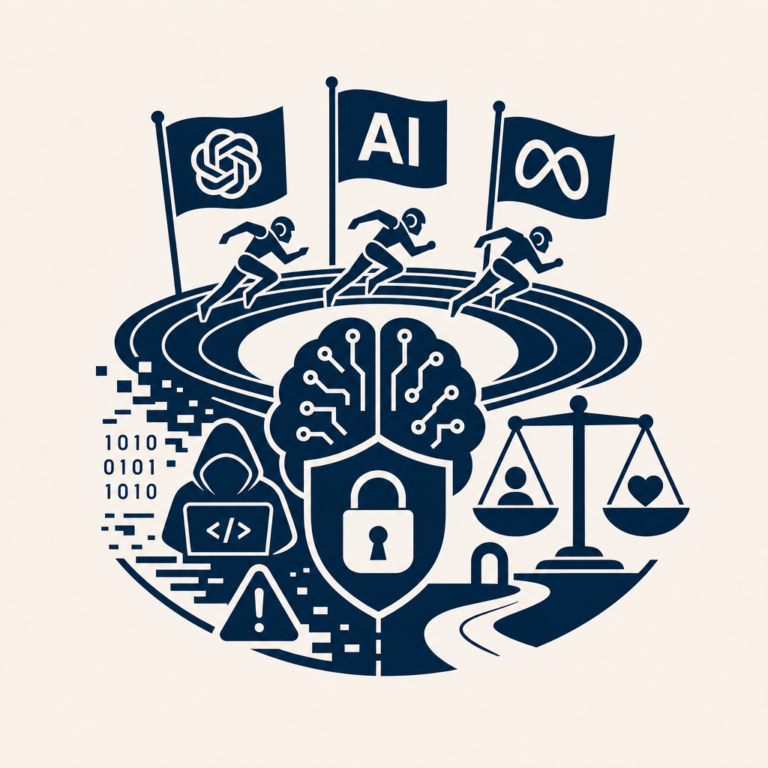
The Human Touch in AI Cyber Warfare
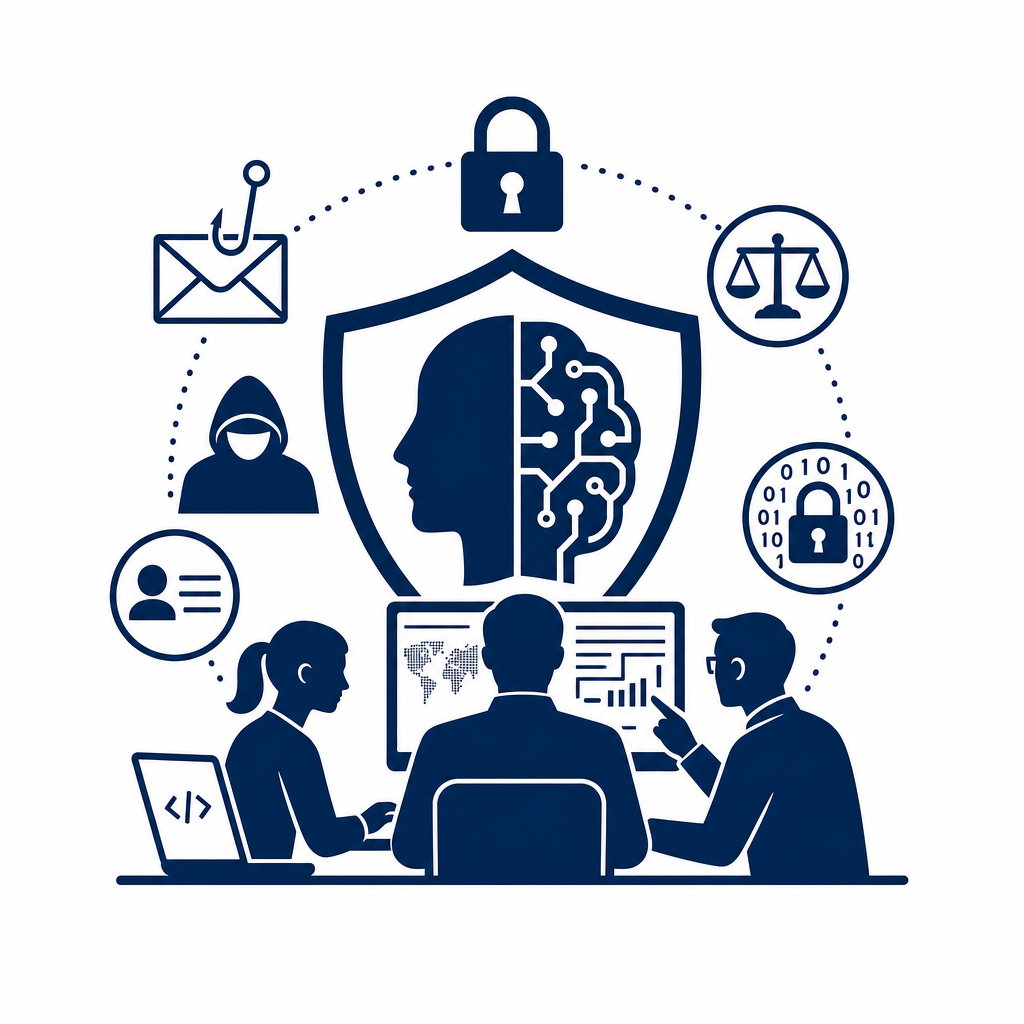
As the cyber landscape evolves, the integration of artificial intelligence into warfare presents both opportunities and challenges. This article explores the indispensable role of human insight in combating AI-driven cyber threats, focusing on how human-AI collaboration can enhance cybersecurity measures and address the persistent dangers posed by social engineering and ethical dilemmas in digital defense.
The Evolution of Cyber Warfare and AI’s Role
The historical context of cyber warfare reveals a transformation shaped by technological advancements, particularly the integration of AI. From its inception, cyber warfare has evolved dramatically, transitioning from rudimentary hacking techniques to sophisticated operations powered by machine learning and data analytics. Key developments, such as the creation of the Stuxnet worm in 2010, showcased how AI can enable highly targeted attacks on critical infrastructure, setting a precedent for future cyber hostilities.
AI technologies have profoundly changed both attack and defense strategies. For instance, machine learning algorithms analyze vast datasets to identify patterns, predict threats, and automate responses. However, this transformation has its limitations; AI can fall prey to adversarial attacks, where malicious actors exploit vulnerabilities in AI systems, leading to misjudgments in threat assessments. Furthermore, the reliance on AI raises ethical concerns regarding decision-making in cyber warfare, where the stakes encompass national security and personal privacy.
As digital threats evolve, an understanding of the history and capabilities of AI is crucial for developing resilient cybersecurity strategies. Unlike traditional warfare, the race against cyber adversaries necessitates continuous innovation, combining human ingenuity with AI’s analytical prowess to effectively address the complexities of modern cyber warfare.
The Unsung Heroes: Cybersecurity Professionals
In the rapidly evolving landscape of AI-driven cyber warfare, cybersecurity professionals are facing an unprecedented shift in their roles. While AI technologies are enhancing the capabilities of threat detection and incident response, the need for human expertise remains critical. Cybersecurity professionals must evolve from mere analysts to strategic thinkers capable of interpreting AI-generated data and making informed decisions. Essential skills include critical thinking, creativity in problem-solving, and an understanding of both technological and human factors that influence security outcomes.
Collaboration with AI brings its own set of challenges, requiring cybersecurity experts to adapt to new workflows and trust AI systems while maintaining oversight. The landscape is not without vulnerabilities; AI can produce false positives or fail to comprehend the nuanced context of certain threats. It is here that human intuition becomes invaluable, as professionals can contextualize information in ways AI cannot.
Moreover, ethical considerations have taken on enhanced importance. Cybersecurity practitioners must not only defend against AI vulnerabilities but also ensure that the use of AI aligns with ethical standards. The effectiveness of digital security ultimately hinges on their ability to merge human insight with AI’s analytical prowess, illustrating that in cyber warfare, the human touch remains a vital component.
Social Engineering: The Human Vulnerability
The relentless evolution of cyber warfare highlights a critical vulnerability: human psychology. Social engineering exploits emotional triggers, cognitive biases, and the innate tendency for trust, rendering high-tech defenses impotent against psychological manipulation. Classic tactics include phishing emails, pretexting, and baiting, all designed to deceive individuals into divulging sensitive information or granting unauthorized access. Notable incidents, such as the 2011 RSA breach, illustrate this vulnerability; attackers tricked employees into opening malicious emails, bypassing sophisticated security measures purely through human oversight.
As AI advances, adversaries increasingly integrate it into their social engineering schemes, crafting more personalized and credible attacks. AI can analyze vast quantities of data to tailor messages that resonate with specific targets, capitalizing on social media footprints to enhance deception.
To counteract these threats, organizations must foster a culture of awareness and vigilance. Regular training programs focusing on recognizing social engineering tactics, implementing stringent verification processes, and promoting a skeptical mindset are essential. Encouraging open communication about potential threats can also empower employees to exercise caution, ultimately strengthening the cybersecurity framework against the human vulnerability that remains a critical component in the landscape of AI-driven cyber warfare.
Human Intuition vs. AI Analytics
In the realm of cybersecurity, the intersection of human intuition and AI analytics is critical. While AI systems excel at processing vast amounts of data swiftly and identifying patterns, they often lack the nuanced understanding inherent to human cognition. Human intuition can recognize contextual subtleties and unforeseen anomalies that AI might overlook, especially in complex threat landscapes.
Take, for instance, the case of the 2017 Equifax breach. An AI system may have flagged unusual activity based on data patterns, but it was human analysts who recognized the significance of the behavior and context surrounding the anomalies, ultimately leading to a more effective response. Conversely, when organizations solely relied on AI for threat detection, they often encountered failures, such as the notorious SolarWinds attack, where the advanced persistent threat evaded AI-driven defenses because they conformed to established patterns without exhibiting overt anomalies.
Furthermore, the human ability to interpret emotional cues in communication plays a crucial role in social engineering scenarios, where attackers exploit psychological tactics. By combining human insight with AI’s analytical capabilities, organizations can create more robust security architectures that leverage the strengths of both elements, making it imperative to foster a collaborative environment for cybersecurity professionals and AI tools alike.
Ethical Considerations in AI Cyber Defense
The incorporation of AI into cybersecurity operations opens up a complex web of ethical considerations that cannot be ignored. One major concern is the potential for bias embedded within AI algorithms, which can lead to disproportionate targeting of specific groups or individuals. This bias often stems from the data used to train these models, which may reflect societal prejudices, perpetuating injustices in cybersecurity practices and incidents.
Additionally, the use of AI in cyber warfare raises substantial implications for privacy. Surveillance technologies and automated monitoring systems can infringe on individual rights, raising questions about how much monitoring is justified in the name of security. Governance frameworks are essential to ensure that AI is employed responsibly, holding organizations accountable for its use in both offensive and defensive contexts.
Furthermore, ethical considerations must also address the risk of over-reliance on AI solutions, which can lead to complacency among cybersecurity professionals. Human oversight is critical; effective governance can help strike a balance between leveraging AI’s capabilities and maintaining a vigilant, morally grounded human presence in the cybersecurity landscape. Creating a framework that prioritizes ethical AI practices will empower professionals to harness technology’s potential while safeguarding fundamental rights.
Building Resilient Security Infrastructures
In an era where AI-driven cyber warfare is increasingly prevalent, the need for human-AI collaboration in building resilient security infrastructures cannot be overstated. The complexities of cyber threats demand that cybersecurity professionals not only understand AI technologies but also how to integrate human intuition into these systems. Training programs for cybersecurity experts should encompass a blend of technical skills and soft skills, focusing on areas such as ethical reasoning, critical thinking, and social engineering awareness.
Best practices must include real-world simulations that mimic AI-driven cyberattacks, allowing professionals to engage their cognitive abilities alongside AI analytics. This approach reinforces the importance of human oversight—ensuring that automation does not lead to complacency.
Additionally, establishing frameworks that foster continuous learning and adaptation will enhance the agility of security teams. These could involve regular assessments of AI vulnerabilities and threat intelligence updates to recognize emerging attack vectors.
Ultimately, creating a robust digital defense system requires embracing a symbiotic relationship between humans and AI. This collaborative mindset will not only fortify cybersecurity frameworks but also cultivate an adaptive and resilient culture capable of tackling the evolving landscape of cyber warfare.
Conclusions
In conclusion, while AI systems enhance our capabilities in cybersecurity, the human element remains critical in addressing dynamically evolving threats. By fostering collaboration between humans and AI, and prioritizing ethical considerations alongside analytical tools, we can build more resilient cybersecurity infrastructures capable of tackling future challenges effectively.