Beyond Silicon: The Rise of Bio-Inspired Intelligence and the Future of Cognitive Systems
The emergence of bio-inspired intelligence is reshaping our perception of cognition and intelligence. By studying biological systems and organisms, researchers are uncovering novel approaches to problem-solving and technology design. This article delves into the fascinating world of organoids, biomimicry, and distributed cognition, revealing how these insights are set to revolutionize cognitive systems and enhance automation in diverse industries.
Understanding Bio-Inspired AI
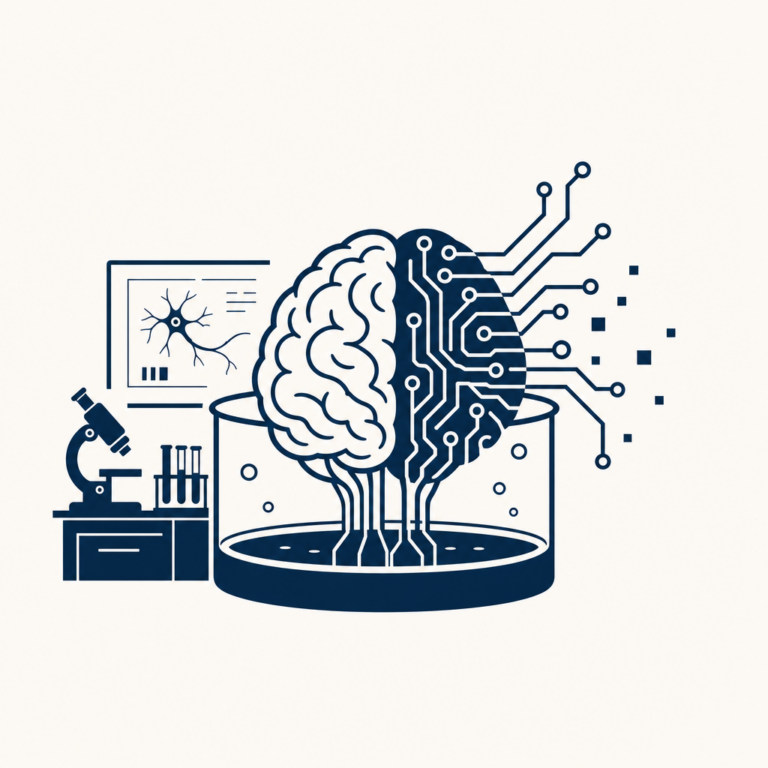
In the realm of bio-inspired intelligence, organoids have emerged as transformative tools for exploring human cognition and consciousness. These lab-grown mini-brains offer a simplified yet powerful model to study the complexities of neural activity. By replicating specific brain functions, organoids provide crucial insights into how biological systems operate, enabling researchers to bridge the often daunting gap between biological intricacies and artificial intelligence.
Advancements in organoid technology have accelerated at an astonishing pace. Scientists can now generate organoids that mimic various parts of the brain, including cortical structures and regions associated with memory and learning. These models have significant implications for understanding neurological disorders, allowing researchers to test treatments in a controlled environment that behaves similarly to human tissue. Moreover, these bio-fabricated constructs are not just passive observations; they demonstrate spontaneous activity resembling that of actual brain cells, hinting at the potential for complex cognitive behaviors.
As we delve into the mechanics of cognitive systems, the insights gained from organoids pave the way for developing sophisticated bio-inspired cognitive systems. By decoding the neural architectures and processes within these mini-brains, researchers stand to craft AI technologies that emulate human-like intelligence, pushing boundaries in areas such as advanced automation and innovative neuro-tech applications.
The Role of Organoids
The emergence of organoids, especially lab-grown mini-brains, represents a pivotal advancement in the study of cognition and consciousness. These tiny, intricate structures, developed from stem cells, serve as vital models, allowing researchers to probe the complexities of human brain functions. Their significance lies not only in replicating certain neural characteristics but also in offering insights into brain development and disorders.
Recent advancements have enabled organoids to mimic a range of brain activities, including synaptic connectivity and neurogenesis. This ability to replicate aspects of cognitive function presents exciting opportunities for studying neurological disorders, such as Alzheimer’s and autism. By simulating these conditions in organoid cultures, researchers can assess potential treatments and gain a deeper understanding of underlying mechanisms.
Furthermore, the integration of organoids with neuro-technologies is opening new avenues for developing bio-inspired cognitive systems. By leveraging insights from organoid behavior, engineers and scientists can architect systems that embody adaptive learning and problem-solving capabilities akin to human cognition. The fusion of biological innovation and artificial intelligence could redefine advanced automation, paving the way for enhanced decision-making frameworks that respond dynamically to environmental stimuli. In this rapidly evolving field, organoids stand at the forefront, bridging the gap between biology and technology in the quest for smarter, more robust cognitive systems.
Insights from Distributed Cognition
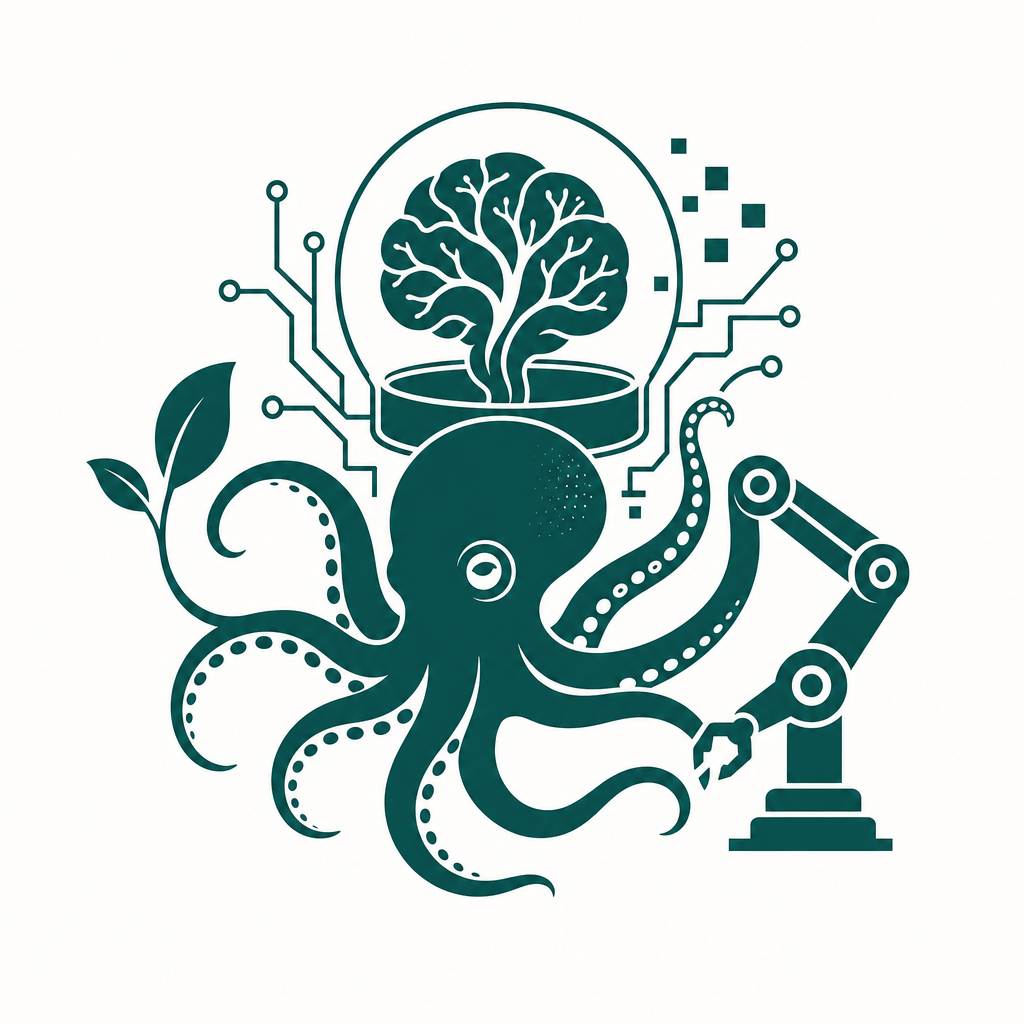
The theory of distributed cognition posits that intelligence is not solely contained within the individual brain but is a product of interactions across various components, including the environment, tools, and other organisms. This concept is vividly illustrated by octopuses, whose decentralized nervous systems feature clusters of neurons in their arms, enabling remarkable adaptability and problem-solving capabilities. Each arm operates semi-autonomously, allowing the organism to engage with its environment and tackle challenges simultaneously while effectively coordinating a complex array of tasks.
The octopus can manipulate objects, camouflage seamlessly, and evade predators through instinctive collaboration of these neural networks. These behaviors exemplify how intelligence can emerge from collaborative structures rather than hierarchy, presenting a compelling model for designing intelligent systems. Insights from distributed cognition can inform innovative approaches in technology, particularly in creating systems that replicate this decentralized intelligence.
By enhancing problem-solving in collaborative technologies, we can develop advanced automation frameworks that mimic these natural behaviors, allowing multiple agents to work in parallel and create solutions that are adaptive and efficient. This understanding will push the boundaries of cognitive system design, fostering novel innovations that remain responsive to dynamic environments.
Biomimicry in Technology and Design
Biomimicry emerges as a powerful design principle in technology, showcasing nature’s architectural and operational efficiencies. By studying and mimicking natural systems, we are starting to create cognitive systems that not only function effectively but also contribute to sustainability and innovation. For instance, the structure of **termite mounds** demonstrates unparalleled climate control, inspiring architects to develop energy-efficient buildings that maintain internal temperatures without excessive energy use. This is a perfect illustration of how biological innovations can inform our approaches to design.
Further, **adaptive strategies** observed in organisms like the octopus, which alters its skin texture to blend seamlessly with various environments, have influenced the development of smart materials that can change properties in response to stimuli. Such examples highlight how understanding biological processes can lead to the creation of resilient technologies.
Moreover, these bio-inspired designs extend into **automation** as well, producing robots that mimic animal behaviors for tasks such as exploration. As technology continues to evolve, drawing from the wisdom embedded within nature presents not only an avenue for creating enhanced cognitive systems but also promotes a more harmonious relationship with our environment, fostering holistic innovation across multiple industries.
Neuro-Tech and Cognitive Enhancement
Neuro-technology stands at the crossroads of innovation, pushing the boundaries of cognitive enhancement through tools like brain-computer interfaces (BCIs) and neurofeedback systems. These instruments not only read brain activity but also facilitate unprecedented interactions between human cognition and machines. By harnessing insights from biological systems—like the adaptable learning seen in neural plasticity—neuro-tech aims to enhance human capability in profound ways. For instance, BCIs can enable paralyzed individuals to control prosthetic limbs via thought, while neurofeedback can optimize cognitive functions by allowing users to regulate their brain states.
However, the progression of neuro-tech raises important ethical considerations. Questions surrounding privacy, consent, and the potential for cognitive disparities must be addressed as we integrate these technologies into everyday life. The societal implications are vast; a future where cognitive enhancement is accessible could lead to significant changes in education, employment, and interpersonal dynamics.
As we learn from nature’s architecture of distributed cognition—such as the cooperative problem-solving seen in octopuses—neuro-tech innovation could lead to the development of cognitive systems that not only enhance individual human performance but also foster collaborative intelligence across communities, echoing principles of biomimicry in technology.
The Future of Intelligence and Automation
As we envision the future of intelligence, the confluence of bio-inspired systems and artificial intelligence is poised to revolutionize automation. Bio-inspired AI draws from the complexities of nature, leveraging the intricacies of neural pathways and adaptive behaviors found in organisms to create cognitive systems that are not only intelligent but also remarkably adaptable. With advancements in organoids mimicking brain functions, researchers are unraveling the design principles of intelligence that can inform the development of software and hardware mimicking biological systems.
This fusion of biological insights with artificial intelligence enables the creation of sophisticated cognitive systems capable of advanced problem-solving and decision-making. For instance, decentralized intelligence, as observed in octopuses, presents models for distributed cognition that could inform systems in autonomous vehicles or robotics, allowing for collaboration and quick adaptation in dynamic environments.
The implications for industries are profound. As automation evolves, businesses can harness these smarter cognitive systems to tackle global challenges such as climate change, healthcare, and resource management. Ultimately, the rise of bio-inspired intelligence fosters innovation, driving our capacity to create solutions that are not only efficient but also sustainable, thereby reshaping societal norms around technology and intelligence in the 21st century.
Conclusions
In conclusion, the exploration of bio-inspired intelligence not only broadens our understanding of cognition but also paves the way for innovative cognitive systems that blend biological insights with technology. The integration of neuro-tech and advanced automation holds immense promise for the future, fostering innovation across sectors and enhancing our capabilities to solve complex problems.