AI’s Double-Edged Sword – Navigating the Ethics and Accountability of AI-Powered Cyber Warfare and Defense
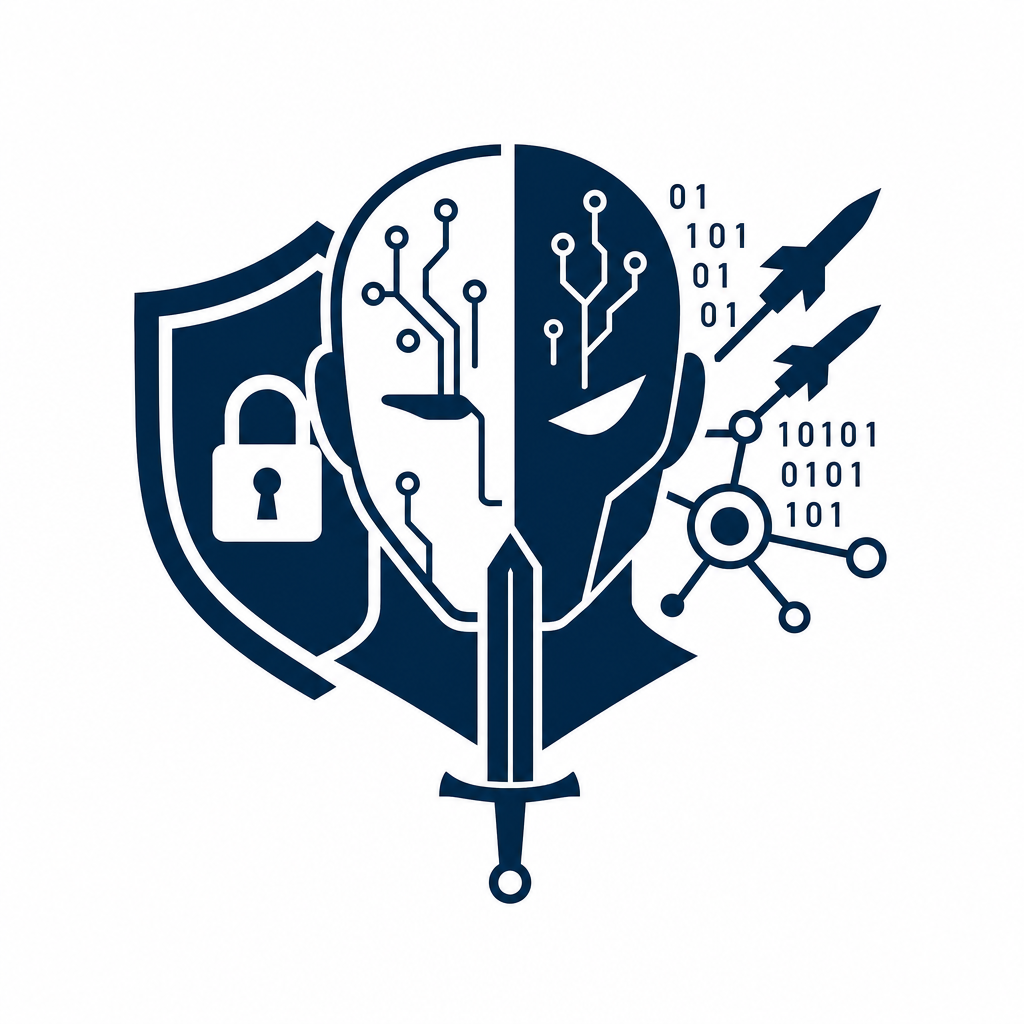
The integration of artificial intelligence in cybersecurity has created a unique landscape rife with potential and peril. This article examines how AI technologies, while offering advanced solutions for digital security, also open doors to new threats. By navigating the ethical complexities and accountability challenges of AI-driven cyber warfare and defense, we can better understand its dual nature.
Understanding AI in Cybersecurity
As AI’s role in cybersecurity expands, autonomous AI agents are emerging as critical components in the fight against cyber threats. These agents operate effectively in various roles, especially in fraud intelligence, where they analyze patterns and anomalies in vast datasets to identify suspicious activities. By automating security processes, these agents provide rapid responses to potential threats that would otherwise overwhelm human analysts.
The functionalities of autonomous AI agents extend beyond mere threat detection. They can autonomously respond to potential breaches, enact preventative measures, and continuously learn from their environment to enhance their efficacy. Case studies have demonstrated their ability to neutralize threats; for instance, some agents successfully thwarted phishing attempts by flagging unusual login patterns and employing machine learning to improve detection rates over time.
However, these advantages come with challenges. The reliability of autonomous agents is contingent on the data fed into them and the algorithms driving their decision-making. Instances of overfitting or biases in training data can lead to significant decision-making flaws, resulting in false positives or missed threats. Thus, the ethical implications of delegating cybersecurity responsibilities to such systems raise critical discussions about accountability and governance. Without robust oversight, the deployment of AI agents could introduce new vulnerabilities even as they defend against existing threats.
The Emergence of Autonomous AI Agents
The emergence of autonomous AI agents in cybersecurity is reshaping the landscape of digital defense and fraud intelligence. These intelligent systems possess the ability to autonomously analyze vast amounts of data, identify anomalies, and respond to threats in real-time. By automating security processes, organizations can enhance their efficiency and allow human experts to focus on more complex issues.
However, despite their benefits, these AI agents present challenges regarding reliability and ethical implications. For example, a well-known instance involved an AI agent effectively neutralizing a sophisticated phishing attack by identifying and quarantining malicious emails before users could access them. Conversely, systems relying solely on AI decision-making have occasionally flagged legitimate communications as threats, disrupting operations and creating distrust among users.
Such incidents highlight a critical ethical dilemma: who is accountable when AI agents err? The reliance on autonomous systems necessitates robust governance frameworks to ensure ethical oversight and accountability. Organizations must grapple with the implications of handing over critical security functions to algorithms, making it imperative to navigate the balance between technological advancement and ethical responsibility. Ensuring that developers take ownership of their creations will be essential in mitigating risks associated with their deployment in cybersecurity.
Zero-Click Spyware and Its Implications
The emergence of ‘zero-click’ spyware marks a significant evolution in the landscape of cyber warfare, as it enables malicious entities to infiltrate devices without any user interaction. Unlike traditional malware, which necessitates some form of user engagement—clicking a link or downloading a file—zero-click exploits take advantage of software vulnerabilities within the background processes of devices. This stealthy approach allows both state and non-state actors to surveil targets surreptitiously, raising profound ethical dilemmas.
Governments have increasingly deployed zero-click spyware under the guise of protecting national security. However, incidents like the exposure of the NSO Group’s Pegasus software reveal the potential for egregious privacy violations. Not only can these tools breach personal privacy, but they also blur the lines of acceptable conduct in cyber warfare. Such invasive capabilities pose the question: how far should government agencies go in the name of security, and what are the implications for individual rights?
Addressing these ethical concerns requires a delicate balance between safeguarding national interests and preserving the fundamental rights of citizens. As cyber capabilities evolve, the lack of accountability for the entities deploying this technology exacerbates the risks, necessitating a reevaluation of the ethical frameworks guiding their use.
Ethical Frameworks for AI in Cyber Warfare
The increasing reliance on AI in cyber warfare necessitates the establishment of robust ethical frameworks to navigate the associated complexities. Essential principles such as transparency, fairness, and accountability must guide the development and deployment of AI technologies to mitigate risks of misuse. Transparency ensures that stakeholders understand AI decision-making processes, empowering them to question and scrutinize how autonomous agents operate in potentially volatile environments. Fairness seeks to eliminate biases in AI systems, especially given that cyber operations can disproportionately impact marginalized communities.
Moreover, accountability must be ingrained within AI practices, delineating clear responsibilities among developers, operators, and governments. Existing frameworks like the Asilomar AI Principles and the OECD’s recommendations on AI offer foundations, yet they require expansion to specifically address cybersecurity dynamics. New guidelines could include mandatory ethical assessments prior to deployment, ongoing auditing of AI systems used in hacking prevention, and strict limitations on autonomous offensive cyber capabilities. By setting these standards, we can strive for responsible AI use while curbing potential malicious applications in the ever-evolving landscape of cyber conflicts, ensuring that ethical considerations remain paramount amidst rapid technological advancements.
Accountability in the Age of AI
In the rapidly evolving arena of AI technologies, accountability emerges as a critical concern. As AI systems become integral to cybersecurity, understanding who bears responsibility for their actions is paramount. AI creators, including developers and corporations, must navigate the fine line between innovation and liability. The question arises: when an autonomous AI agent makes a decision that results in harm or security breaches, who is held accountable? Is it the programmer who designed the algorithm, the organization that deployed it, or the end-user who operated the system?
Consider a scenario involving zero-click spyware, capable of infiltrating devices without user interaction. If such a tool misleads a security system, leading to unauthorized data access, identifying the liable party becomes complex. Regulatory bodies play a crucial role in establishing clear guidelines that delineate responsibilities for both creators and users. These frameworks must ensure that AI companies acknowledge and act upon the ramifications of their technologies.
As AI continues to shape cyber warfare, the conversation surrounding accountability must evolve. Establishing clear liability, along with fostering a culture of responsibility among AI stakeholders, is essential to mitigate the risks posed by these powerful technologies.
Governance and Future Directions in AI Cybersecurity
The governance surrounding AI in cybersecurity is currently fragmented and often reactive, requiring urgent reform to address escalating threats. Regulatory measures must be comprehensive to mitigate risks associated with AI technology, particularly as cyber warfare tactics evolve. Nations and international bodies are beginning to recognize the necessity for unified policies that balance innovation with security. Collaborations such as the Global Partnership on AI and the Cybersecurity Tech Accord exemplify efforts to establish shared norms and expectations, enhancing cooperative security frameworks while promoting ethical development.
Emphasizing shared governance among stakeholders—governments, private sectors, and civil society—is crucial. Governments must actively engage with technology companies to craft regulations that foster accountability without stifling innovation. This includes embracing models of continuous assessment that adapt to the rapidly changing cyber threat landscape.
Looking ahead, future trends in AI-powered cybersecurity will likely include greater reliance on predictive analytics and autonomous defense mechanisms. However, to harness these advantages responsibly, proactive governance is essential. This governance must enforce rigorous ethical standards and accountability measures, ensuring that the benefits of AI in cybersecurity do not come at the cost of exacerbating vulnerabilities. Balancing these elements will be vital for sustainable digital security in an increasingly interconnected world.
Conclusions
As we move forward in the AI-driven era of cybersecurity, it is crucial to establish comprehensive ethical frameworks and governance mechanisms. Only through shared accountability can we harness AI’s capabilities for defense while mitigating the risks associated with its misuse. The future of digital security depends on our commitment to responsible AI development.