The Rise of the ‘Digital-Physical’ Workforce
As automation reshapes industries, a new workforce is emerging that merges digital skills with physical labor. This ‘digital-physical’ workforce is vital in operating advanced technologies like humanoid robots and smart infrastructure. This article explores the required skills, the evolving job roles, and the challenges and opportunities presented by this transition in the future of work.
Understanding the Digital-Physical Workforce
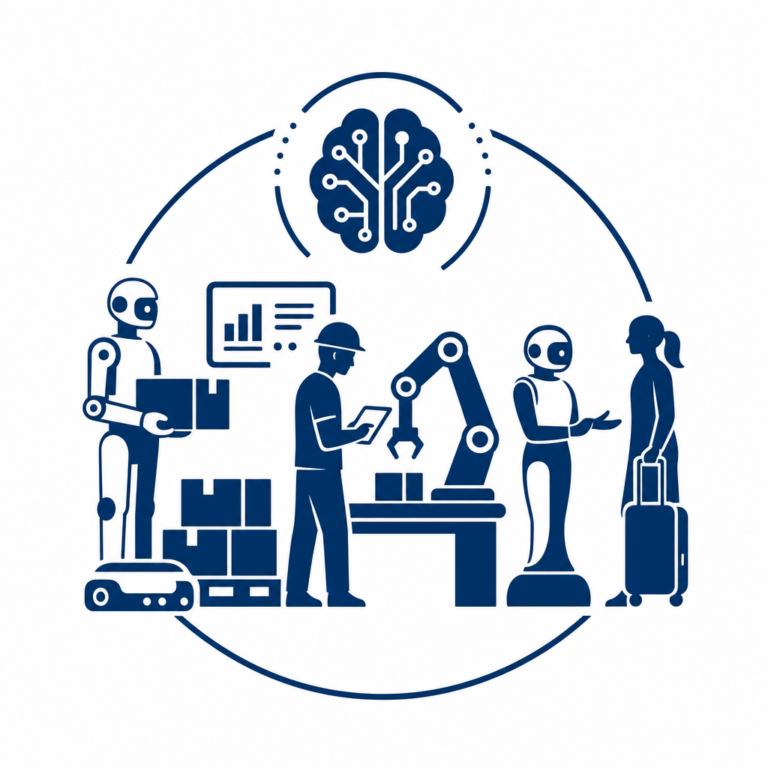
The ‘digital-physical’ workforce represents a transformative shift where traditional job roles are redefined through the integration of advanced technology and physical labor. This hybrid workforce combines human skills with automation and smart systems, emphasizing the importance of physical interaction with digital tools. As organizations increasingly rely on automation to streamline processes and improve efficiency, the demand for roles that leverage both technological proficiency and manual skills is on the rise.
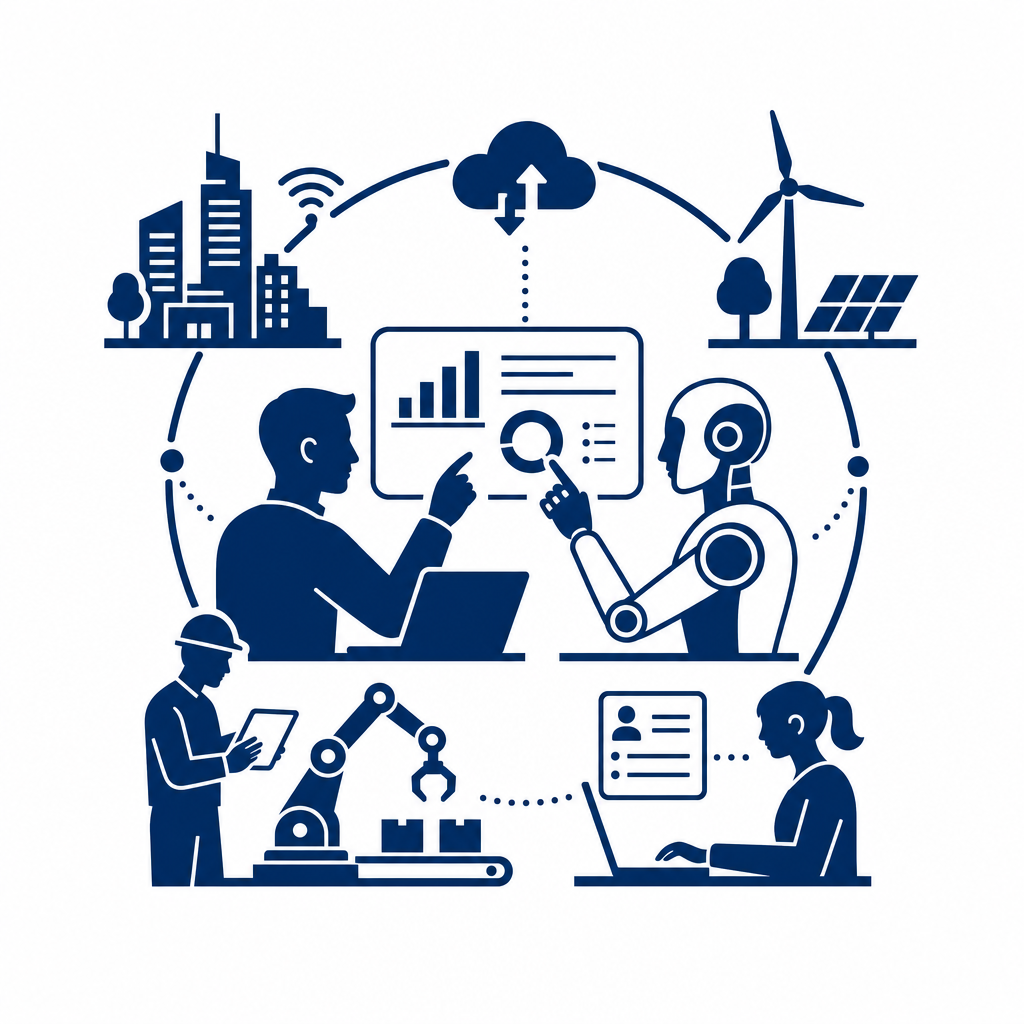
With automation becoming commonplace, new job positions are emerging. These roles often require a unique blend of digital skills and hands-on capabilities. For instance, operating humanoid robots in manufacturing settings necessitates not only technical knowledge of robotics but also problem-solving and maintenance skills. Similarly, managing smart infrastructure in urban environments involves overseeing IoT devices, while ensuring they are integrated effectively within the physical landscape.
The shift toward a digital-physical workforce is significant, reflecting broader workforce transformation trends. It challenges the traditional understanding of job roles and calls for a new approach to training and skill development. As technology continues to evolve, professionals must adapt, embracing lifelong learning to thrive in these newly created positions. This evolving landscape presents opportunities for those willing to upskill, preparing for a future where the fusion of digital and physical capabilities becomes the norm in various industries.
The Impact of Automation on Job Roles
The impact of automation on job roles is profound, reshaping traditional professions and giving rise to exciting new opportunities within the digital-physical workforce. Automation technology is not simply replacing jobs; it is modifying them, transitioning roles such as factory workers into robot operators who work alongside advanced manufacturing systems. For instance, the emergence of humanoid robots in sectors like retail and healthcare requires skilled individuals to oversee and direct these machines, ensuring they effectively support human efforts while maintaining safety and accuracy.
Another evolving position is that of smart city managers, tasked with integrating technology into urban infrastructure. These professionals must manage intelligent systems that optimize traffic flow, energy use, and public safety, demonstrating the need for a blend of digital savvy and urban planning knowledge.
As the workforce transforms, automation demands new competencies. Workers must understand advanced technologies, data analysis, and cybersecurity, while also being adept in physical tasks that require direct interaction with machines. This juxtaposition of digital and physical skills signifies an exciting new frontier, illustrating how workers can thrive in a landscape where traditional roles adapt alongside innovation.
Key Skills for the Digital-Physical Workforce
To thrive in the emerging digital-physical workforce, individuals must cultivate a distinctive blend of technical and soft skills. On the technical side, proficiency in programming is crucial. Understanding languages such as Python, Java, or C++ equips workers to interact with and operate humanoid robots, customize automation tools, and leverage data analytics efficiently. Knowledge of robotics, encompassing design, operation, and maintenance, is equally important, particularly in settings where human-robot collaboration is prevalent.
However, technical expertise alone isn’t sufficient. Soft skills are paramount in ensuring the success of hybrid work environments. Effective communication is vital for conveying complex ideas and collaborating with diverse teams, including robots and systems, to accomplish common goals. Moreover, critical thinking enables workers to troubleshoot issues as they arise, adapting dynamically to fluctuating technological landscapes.
Adaptability is another key asset, allowing individuals to navigate the complexities of integrating physical labor with digital frameworks. The evolving nature of work requires a continuous learning mindset, ensuring that individuals remain relevant amidst rapid technological advancements. Balancing both technical and soft skills will ultimately position workers favorably in this transformative landscape, paving the way for innovation and collaboration in the digital-physical realm.
Challenges Faced by the Evolving Workforce
As individuals transition into the digital-physical workforce, they face significant challenges that can hinder their success. The rapid integration of advanced technologies, such as humanoid robots and smart infrastructure, has created a skill gap that many workers are unprepared to bridge. While technical abilities are essential, the need for **continuous learning** cannot be overstated. Workers must adapt to ever-evolving technology, often requiring them to invest time and resources in ongoing education.
Job displacement concerns also loom large in this transforming landscape. Many traditional roles are becoming obsolete as automation takes center stage, leading to uncertainty among workers about their future employment prospects. This anxiety can be compounded by the psychological effects of adapting to new technology-driven environments, as the rapid pace of change may lead to feelings of inadequacy or resistance.
Moreover, balancing **physical labor** and **digital skills** can present challenges. Workers must learn to operate alongside automated systems without losing the essence of human touch in service and interaction. This hybridization demands a new mindset, one that embraces both technical proficiency and emotional intelligence. Addressing these challenges is crucial for harnessing the full potential of the emerging digital-physical workforce.
Opportunities in Hybrid Work Environments
The rise of hybrid work environments is ushering in unique opportunities for career advancement and innovation as the boundaries between the digital and physical worlds blur. With the integration of advanced technologies, such as humanoid robots and smart infrastructure, employees now have the chance to explore roles that require both technical and interpersonal skills. This blend can significantly enhance job satisfaction and productivity, as individuals engage more with their work and surroundings.
Equipped with **digital skills**, workers are positioned not only to operate state-of-the-art technology but also to collaborate with automated systems, fostering an environment of enhanced teamwork. For instance, managing smart infrastructure necessitates a nuanced understanding of both technological functionalities and the physical workspace, opening avenues for individuals to spearhead efficiency and workflow optimizations.
Moreover, the evolution of the workforce encourages innovation—employees are inspired to think creatively about how to leverage technology in their roles. As companies embrace hybrid models, they cultivate a culture of adaptability and growth, where collaboration between humans and robots becomes a norm. This shift can lead to a more engaged workforce, invigorated by the prospects of reshaping their work environment while paving the way for emerging jobs that blend physical labor with digital dexterity.
Preparing for the Future of Work
Preparing for the Future of Work requires a proactive approach from workers, educators, and employers alike. As the landscape of the digital-physical workforce evolves, embracing *lifelong learning* becomes essential. Workers must continuously update their skills to remain relevant in roles that blend *physical interaction* with *advanced technology*. This includes training in operating *humanoid robots* and managing *smart infrastructure* systems. Educators should focus on integrating *digital skills* into curriculums, ensuring students are equipped for emerging jobs that demand adaptability.
Moreover, fostering a culture of adaptability is critical. Employers can support this by creating inclusive workplaces that value diverse skill sets and experiences. By encouraging collaboration between traditional labor forces and automated systems, companies can facilitate job enrichment and career advancement.
Finally, establishing mentorship programs will help bridge generational gaps in skills and knowledge, allowing experienced workers to guide those entering the field. As the workforce transforms, proactive strategies focused on *reskilling*, *upskilling*, and *collaboration* will empower individuals and organizations to thrive in an increasingly automated future. Embracing these changes ensures that both workers and employers can navigate the complexities of the *hybrid work* environment effectively.
Conclusions
In conclusion, as we navigate the complexities of the ‘digital-physical’ workforce, it is crucial to adapt and develop skills that blend technology with human interaction. The future of work will not only require technical expertise but also the ability to thrive in hybrid environments, embracing opportunities while addressing the challenges that arise in this transformative era.